
 Marguerite Leone gevraagd, 10 maanden geleden
Understanding Power Tools: Essential Guide for DIY Enthusiasts and ProfessionalsPower tools are indispensable instruments that change how jobs– from simple repairs to complex construction activities– are carried out. The advancement of these tools has significantly improved effectiveness, precision, and security in numerous fields, consisting of building and construction, woodworking, metalworking, and vehicle repair. In this post, we will explore different kinds of Power Tools (http://Www.giselelute.top), their applications, safety procedures, maintenance, and frequently asked concerns.Types of Power ToolsPower tools can be broadly categorized into 2 primary types: corded tools and cordless tools. Each category includes a range of devices suited for specific jobs. Below is a table summarizing some typical types of power tools and their applications.Kind Of Power ToolCommon ExamplesMain ApplicationsDrillsCordless Drills, Hammer DrillsDrilling holes in wood, metal, or masonrySawsCircular Saws, Jigsaws, Miter SawsCutting wood, metal, and other productsSandersOrbital Sanders, Belt SandersSmoothing surface areas and preparing productsGrindersAngle Grinders, Bench GrindersGrinding, cutting, and polishing materialsNailersCordless Nail GunsFastening materials using nails or staplesEffect DriversCordless Impact WrenchesDriving screws and bolts rapidly and effectivelyApplications of Power ToolsPower tools have a broad selection of applications throughout different sectors. Here are a few of the main environments where power tools are frequently used:
- Construction: Drills, saws, and nailers are vital for framing, roofing, and basic construction tasks.
- Woodworking: Saws, sanders, and routers are popular among woodworkers for crafting furniture and cabinetry.
- Metalworking: Angle grinders, drill presses, and welders are necessary for those dealing with metal structures and parts.
- Automotive: Impact wrenches and diagnostic tools are frequently used in repairs and upkeep of lorries.
- Home Improvement: For DIY tasks, homeowners typically utilize drills, saws, and nail weapons for renovations and repair work.
Security MeasuresWhile power tools are beneficial, they can likewise position considerable threats if not utilized appropriately. Here are important safety steps to think about when using power tools:
- Personal Protective Equipment (PPE): Always wear suitable gear, such as security goggles, gloves, and ear security.
- Check out the Manual: Understanding the tool’s manual is vital for safe operation.
- Check Tools Regularly: Before each usage, check for damage or wear that might affect efficiency or safety.
- Protect Workpieces: Use secures or vises to secure your workpieces to prevent motion throughout operation.
- Preserve a Clean Work Area: Clear your office of clutter to decrease the risk of mishaps or injuries.
- Understand Surroundings: Ensure the area is devoid of any threats, including diversions or possible trip hazards.
Upkeep of Power ToolsRoutine maintenance of power tools lengthens their life and boosts performance. Here are some practices to keep tools in leading condition:
- Cleaning: Remove dust and particles from the tool after each use. Usage appropriate cleaners for various kinds of tools.
- Lubrication: Regularly lubricate moving parts according to the producer’s suggestions.
- Battery Care: For cordless power tools, properly charge and store batteries to preserve their lifespan.
- Blade Replacement: Sharp blades make sure cleaner cuts; change dull or broken blades as required.
- Calibration: Periodically check and adjust tools to guarantee precision in efficiency.
FAQs about Power Tools1. What is the difference in between corded and cordless power tools?
- Corded tools are powered by electrical energy through a plug, providing constant power for heavy jobs. Cordless tools work on rechargeable batteries, offering portability and convenience however may have power restrictions.
2. How do I select the right power tool for my project?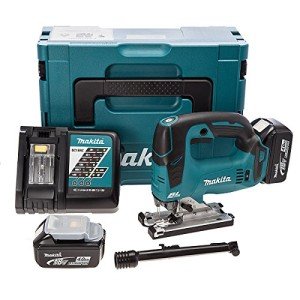
- Consider the product you’ll be working with, the intricacy of the job, and whether you require mobility. Research tool specifications and compatibility with your jobs before purchasing.
3. Exist any particular security requirements for power tools?
- Yes, numerous nations have actually established security standards for power tools, guaranteeing they satisfy rigorous production standards. Constantly search for accreditations such as ANSI (American National Standards Institute) or ISO (International Organization for Standardization).
4. Can I use power tools indoors?
- Many power tools can be used indoors, but make sure appropriate ventilation and consider noise levels. Tools that produce fumes or dust needs to be utilized in well-ventilated areas.
5. What maintenance jobs should I carry out frequently?
- Routine jobs include cleansing, checking for damage, lubricating moving parts, and charging or maintaining batteries for cordless tools.
In summary, power tools are an essential element of both professional and DIY projects. Understanding the various kinds of tools, their applications, safety steps, and upkeep practices ensures efficient and safe usage. By equipping oneself with understanding and preparation, people can confidently take on any project, from home repair work to complex building tasks. Power tools not only make work simpler but likewise improve imagination, making it possible for users to change their visions into reality.