
 Jasper Wainewright gevraagd, 3 maanden geleden
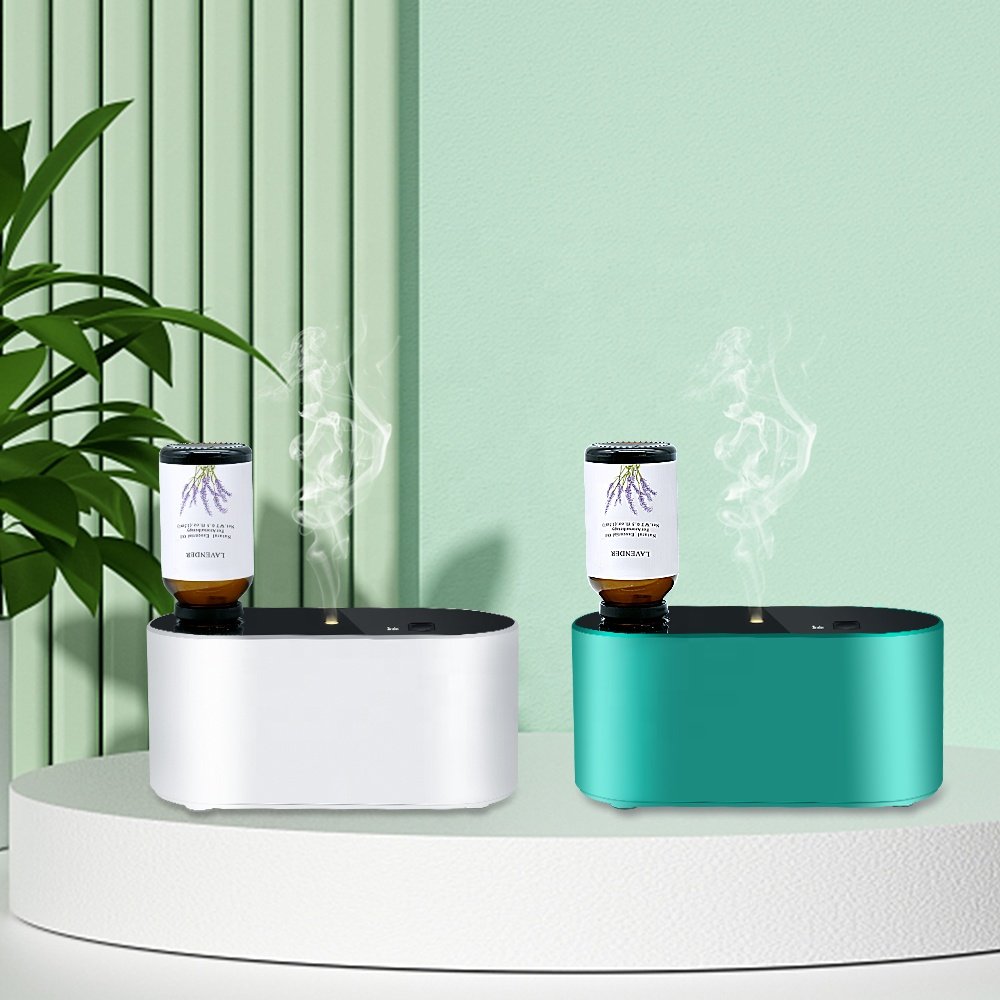 Throughout contemporary interior design, hotel spaces, and home wellness markets, scent has gradually become a deliberate element of environmental design rather than a simple accessory. Over the past several years, a noticeable shift has occurred from conventional fragrance methods — such as scented candles, stick diffusers, and ultrasonic diffusers — toward water-free diffusion systems. This transition reflects a broader movement in home environment technology: systems designed to deliver higher efficiency, minimal servicing, and more accurate regulation. Within this developing segment, waterless scent diffusers have drawn attention across technology publications because they change the mechanics of how fragrance is spread indoors.
Traditional aroma diffusers typically use water to combine with essential oils and release fragrance through ultrasonic waves or heating elements. While this approach is widely used, dilution modifies the composition and character of the fragrance. Waterless scent systems operate differently. Instead of mixing fragrance oils with water, they nebulize pure oil into micro-particles using pressurized airflow or air-based atomization. These particles form a dry fragrance mist that spreads through the air without heating the oil. The result is a scent profile that remains more faithful to the original fragrance while providing stronger coverage across open interiors.
This technological distinction has practical consequences. Because the oil is not diluted, smaller volumes can generate a consistent scent presence throughout a living space or even across open layouts. The absence of water also avoids a common maintenance problem found in ultrasonic diffusers: liquid chambers that require periodic cleaning to prevent oil buildup. Waterless devices instead use fragrance cartridges that are inserted into the diffuser and slowly dispersed according to programmed intervals.
Another factor driving adoption is programmability. Modern scent diffusers increasingly integrate smart controls, automatic timers, or smartphone apps that regulate how often fragrance distribution is dispersed and at what strength. These features allow users to adapt scent output to daily schedules, occupancy patterns, or individual spaces. For example, diffusion cycles can increase during daytime periods and reduce output overnight, optimizing the lifespan of fragrance oils while maintaining a consistent atmosphere.
The technology has also expanded beyond private homes. Hotels, retail stores, and commercial spaces have used scent systems for years as part of brand identity strategies. Research in retail analytics shows that scent can influence perception of space, emotional response, and time spent within commercial environments. Because waterless diffusion distributes fragrance more consistently and maintains scent integrity, the technology aligns with professional scent systems already used in luxury retail.
Design considerations have also evolved alongside the technology. Earlier aroma devices were simple fragrance machines, often resembling vapor machines. In contrast, newer scenting devices are designed as architectural objects that blend with modern interiors. Materials such as metal alloys, matte ceramics, and clean geometric shapes allow the diffuser to function as both a fragrance system and a visual component within the interior.
The broader rise of home wellness technology provides additional context for this shift. Consumers increasingly approach indoor environments as managed environments that affect productivity. Lighting systems adjust tone of light throughout the day, air purifiers monitor particulate levels, and climate systems manage airflow. Scent distribution is now being integrated into this ecosystem, adding another sensory layer to environmental design.
Waterless diffusion therefore represents more than a simple improvement to traditional aroma devices. It reflects a change in how fragrance is deployed in physical spaces — moving from decorative scent toward engineered interior atmosphere. As smart home systems continue to expand and interior design increasingly incorporates sensory experience alongside visual elements, scent technology is likely to remain part of that evolution.