
 Odette Dupont gevraagd, 4 maanden geleden
The Role of Pallet Manufacturers in Modern LogisticsIn today’s fast-paced worldwide economy, the role of pallet makers is more critical than ever. Pallets, often considered given, are the unrecognized heroes of supply chains, making the transport and storage of products efficient and cost-effective. This blog site post explores the complex world of pallet manufacturing, the different kinds of pallets readily available, producing procedures, and their significance in numerous markets.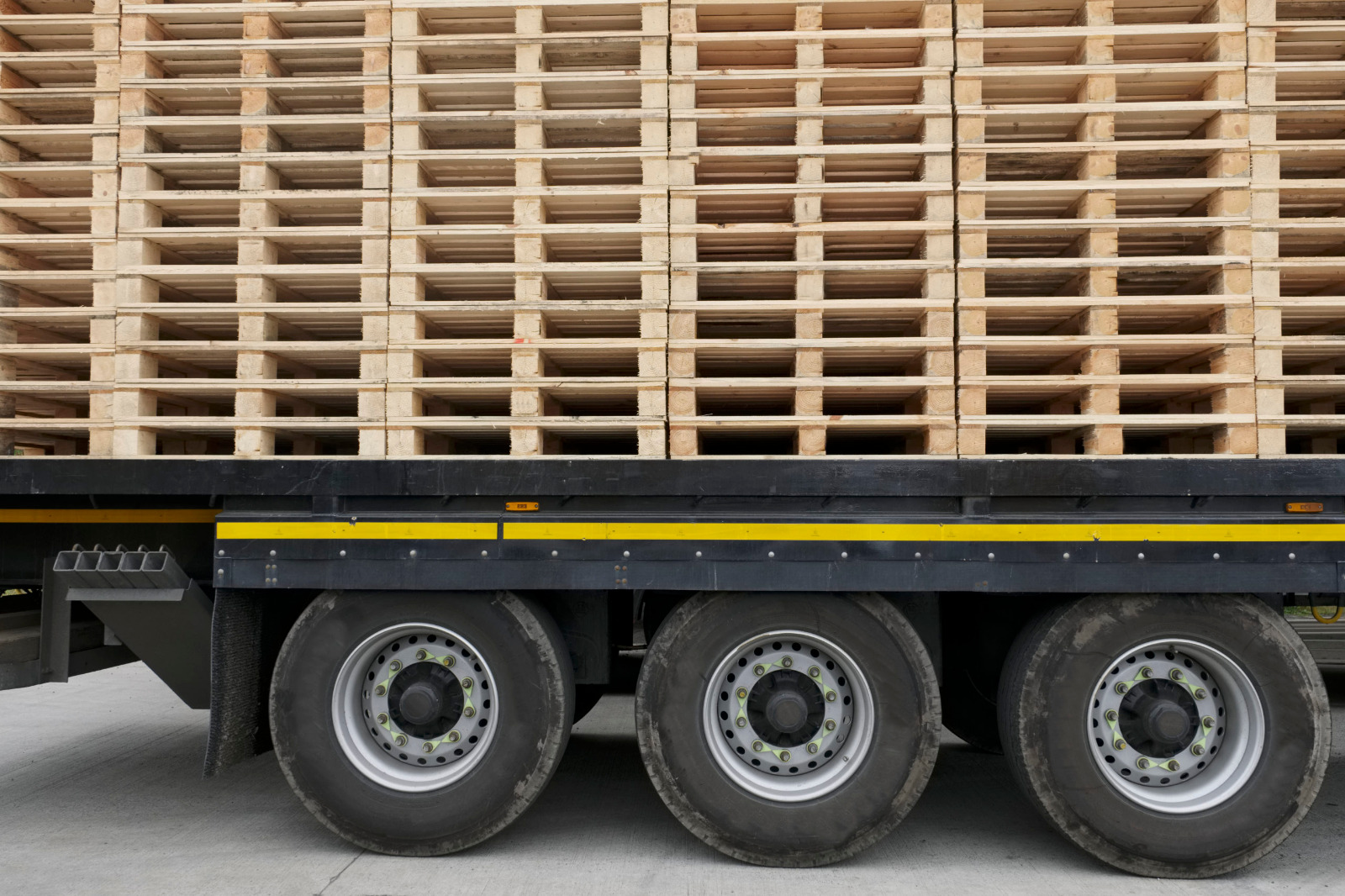 Understanding PalletsBefore diving into the specifics of pallet makers, it’s necessary to comprehend what pallets are and their importance. A pallet is a flat structure, normally made from wood, plastic, or metal, that supports goods in a stable manner throughout storage and transport. They permit the simple handling of products utilizing forklifts and pallet jacks and can be stacked to optimize space.Table 1: Types of PalletsPallet TypeProductFeaturesCommon UsesWooden PalletsWoodResilient, cost-effective, easily fixedWarehousing, shipping, retailPlastic PalletsPlasticLight-weight, resistant to wetness, hygienicFood and pharmaceutical marketsMetal PalletsMetalHeavy-duty, long-lasting, protectedAutomotive parts, heavy equipmentPaper PalletsPaperLight-weight, recyclableRetail, light itemsComposite PalletsMixed MaterialsDurable and weather condition resistantRobotics, automated storage systemsThe Manufacturing ProcessPallet manufacturing is a careful process involving several stages to guarantee quality and durability. Here’s a more detailed look at the manufacturing actions:
- Material Selection: The type and quality of products selected will determine the pallet’s resilience, weight capacity, and cost-effectiveness.
- Cutting and Shaping: Raw products are cut to size and shaped into the needed pallet style. This consists of any required supports.
- Assembly: Pieces are put together utilizing nails, screws, or adhesives, depending upon the materials used.
- Completing: Some pallets are sanded for a smoother surface, dealt with for pest resistance, or painted for identification.
- Quality assurance: Finished pallets go through quality checks to guarantee they satisfy market standards and client requirements.
Table 2: Manufacturing MethodsTechniqueDescriptionAdvantagesStandard WoodworkingHandmade approaches that use modificationHigh craftsmanship and uniquenessAutomated ProcessesUse of equipment and robotics for mass productionIncreased performance, lower costsInjection MoldingFor plastic pallets, products are heated and moldedConsistency and sturdinessPressingCompressing products into shape for paper palletsEcologically friendly and lightweightValue of Pallets in Various IndustriesPallets Manufacturer are utilized across varied markets, each requiring particular designs and products. Below are some essential sectors that rely heavily on pallets:
- Manufacturing: Ensures items are stored and delivered effectively, typically utilizing wooden pallets for heavy products.
- Retail: Enables retailers to stock and display goods without compromising safety, frequently using a combination of plastic and Wooden Pallets Shop pallets.
- Food and Beverage: Emphasizes hygiene and wetness resistance, making plastic pallets a favored option.
- Health care and Pharmaceuticals: Requires strict compliance with security standards, triggering the usage of particularly designed plastic pallets.
- E-commerce: Supports the quick fulfillment of online orders, often requiring versatile pallet designs for diverse product sizes.
Table 3: Industry-Specific Pallet RequirementsIndustryProduct PreferredKey Feature RequiredFood and BeveragePlasticResistant to wetness, easy to cleanPharmaceuticalsPlastic or Lightweight Wood Pallets For SaleSterile, robust versus contaminationAutomotiveMetalSturdy, able to stand up to rigorsE-commerceCompositeVersatile and efficient in diverse loadsGeneral ManufacturingWoodAffordable Wooden Pallets and strong for bulk storageDifficulties Faced by Pallet ManufacturersWhile pallet production is crucial to logistics, it is not without its difficulties:
- Sustainability: There is increasing pressure to embrace sustainable practices, consisting of sourcing eco-friendly products.
- International Supply Chain Issues: Material shortages can delay production, impacting delivery timelines.
- Market Demand Fluctuation: Manufacturers should adjust to seasonal need changes, which can impact functional efficiency.
- Regulative Compliance: Compliance with safety and environmental regulations can include complexity to manufacturing procedures.
Often Asked Questions (FAQ)Q1: What is the average life expectancy of a wooden pallet?A1: A common Wooden Shipping Pallets pallet can last from 5 to 15 years, depending on usage, upkeep, and ecological conditions.Q2: Can pallets be recycled?A2: Yes, most
pallets can be repaired and reused multiple times before being recycled into new products.Q3: Are plastic pallets much better than Purchase Wooden Pallets ones?A3: It depends upon the application. Plastic pallets are typically more sanitary and resilient, while wooden pallets are typically cheaper and much easier to repair. Q4: How do I choose the right pallet for my business?A4:Consider aspects such as the kind of products being handled, weight limitations
, health requirements, and cost-efficiency. Pallet producers play a vital function in the logistics and supply chain environment, offering vital support for different industries. By understanding the kinds of pallets readily available, the production process, and the value of pallets in various sectors, services can make educated choices about their logistics requirements. Sustainability, efficiency, and adaptability are crucial styles that loom big in the industry, making it necessary for producers to stay ahead of obstacles while continually innovating. As supply chains develop, so too will the technologies and procedures behind pallet production, solidifying their status as important properties in the transport of products.