
 Mac Poidevin gevraagd, 4 maanden geleden
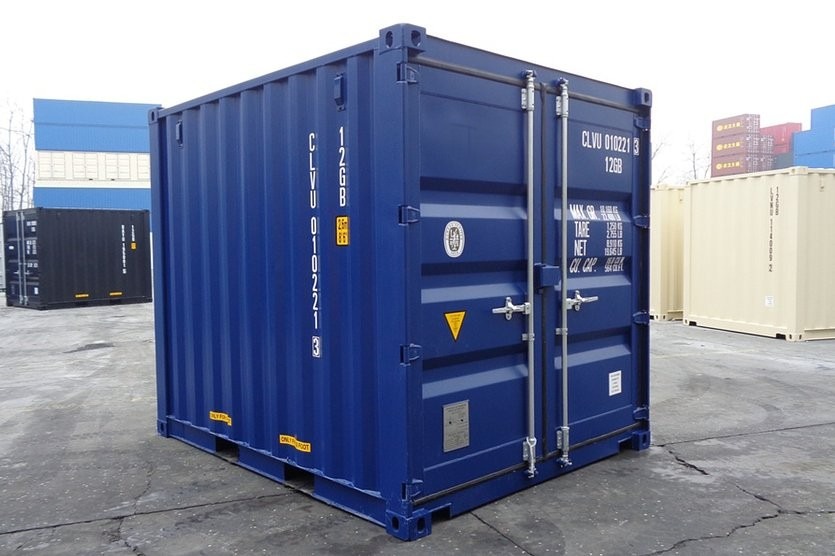
The Versatility and Value of Used Shipping ContainersIn the last few years, used shipping containers have actually become a progressively popular option for different applications beyond their original function of transferring products throughout oceans. With a growing demand for sustainable and cost-efficient solutions, these tough metal boxes have actually been repurposed into homes, offices, storage systems, and a lot more. This post aims to explore the myriad uses of used shipping containers, their advantages, considerations for buying, and responses to frequently asked questions.What Is a Used Shipping Container?A used shipping container is a steel structure originally designed for transporting Cargo Containers over long distances. After their initial usage, these containers are frequently cost a reduced cost, making them an affordable alternative for different tasks. They come in various sizes, with 20-foot and 40-foot options being the most common.Table 1: Common Shipping Container Sizes and SpecificationsSizeExternal Dimensions (L x W x H)Internal Dimensions (L x W x H)Volume (Cubic Feet)Weight (Approx.)20 feet20′ x 8′ x 8.5’19’4″ x 7’8″ x 7’9″1,1695,000 pounds40 ft40′ x 8′ x 8.5’39’5″ x 7’8″ x 7’9″2,3898,000 lbs40 feet HC40′ x 8’6′ x 9.5’39’5″ x 7’8″ x 8’9″2,6948,000 pounds10 ft10′ x 8′ x 8.5’9’5″ x 7’8″ x 7’9″5743,500 poundsApplications of Used Shipping ContainersThe applications for used shipping containers are limited only by one’s creativity. Here are some common uses:1. Storage Solutions
- Personal Storage: Used containers are an exceptional choice for storing individual belongings, automobiles, or equipment.
- Commercial Storage: Businesses can utilize containers for stock storage, lowering the mess in routine warehouses.
2. Living Spaces
- Container Homes: With rising housing expenses, many individuals and households are opting to construct homes utilizing shipping containers. It’s a sustainable, eco-friendly choice that can be customized.
- Tiny Houses: An increasing pattern in minimalistic living, converting a shipping container into a tiny house offers a cost effective housing service.
3. Pop-up Retail and Cafés
- Used containers can be changed into mobile food suppliers or retail stores. Their movement allows organizations to adapt and relocate as required.
4. Work spaces
- Workplaces: Companies searching for a flexible work area service can convert shipping containers into offices, offering a comfy environment without the costs associated with traditional office spaces.
- Workshops: Hobbyists and tradespeople can use containers as workshops for woodworking, metalworking, and other crafts.
5. Emergency situation Housing
- In the wake of natural catastrophes, used shipping containers can offer immediate, short-lived housing solutions.
6. Farming Applications
- Containers can be used for hydroponic farming or as mobile tool and devices sheds in agricultural settings.
7. Art Installations and Event Spaces
- Artists and occasion organizers are increasingly utilizing shipping containers for imaginative installations or as distinct places for concerts and festivals.
Benefits of Using Used Shipping Containers
- Cost-Effectiveness: Compared to conventional construction, shipping containers can be a more budget-friendly choice, especially for housing and storage.
- Durability: Made from corten steel, shipping containers are developed to endure harsh ecological conditions, making them ideal for numerous uses.
- Eco-Friendly: Repurposing shipping containers assists lower waste and motivates recycling, contributing to sustainability.
- Mobility: Containers can easily be transported, permitting versatile usage in different locations.
- Quick Assembly: Constructing a space with shipping containers normally requires less time than conventional structure approaches.
Table 2: Advantages of Used Shipping ContainersAdvantagesDescriptionCost-efficientLower initial investment compared to conventional structures.Long lastingConstructed to withstand extreme conditions and heavy loads.Eco-FriendlyRecyclable and sustainable usage of products.MobileEasy to move or transfer as needed.Quick AssemblyFaster construction time than conventional methods.Considerations When Buying Used Shipping ContainersWhen thinking about purchasing a used shipping container, a number of aspects should be taken into account:
- Condition: Inspect the container for rust, structural damage, and leaks. It is advisable to choose containers that have minimal wear and tear.
- Cost: Prices might differ considerably based upon age, condition, and location. Get quotes from multiple suppliers.
- Delivery and Transportation: Ensure that the seller can help with transportation or that you have the methods to move the container to your preferred area.
- Regulations: Check regional zoning laws and policies relating to the placement and use of shipping Conex Containers, specifically if transforming them into living or working areas.
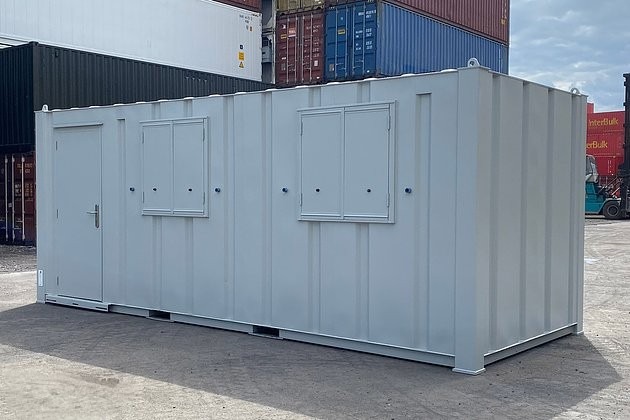
- Modifications: Consider your needs for modifications, as some containers may come pre-fitted with doors or windows while others might require additional work.
Often Asked Questions (FAQ)Q1: Where can I buy used shipping containers?Used shipping containers can normally be purchased from container depots, shipping lines, and online markets focusing on shipping container sales.Q2: How much does a used shipping container cost?Prices vary based on condition and location, however typical costs vary from ₤ 1,500 to ₤ 5,000.Q3: Can I modify a shipping container myself?Yes, numerous individuals pick to customize Shipping Container Construction containers, but it’s important to take security preventative measures and possibly seek advice from with an expert, specifically for structural changes.Q4: Are shipping containers waterproof?Shipping containers are created to be weather-resistant and typically have a high level of water resistance, although they may require sealing in particular conditions.Q5: What is the life expectancy of a used shipping container?With proper care and upkeep, a used shipping container can last anywhere from 10 to 25 years or more.The flexibility and toughness of Used Shipping Containers (https://seacontainers85110.bmswiki.com/6110400/an_conex_containers_success_story_You_ll_never_be_able_to) make them a useful alternative for a vast array of needs, from storage and living spaces to creative and industrial usages. As individuals continue to look for sustainable solutions for housing and business, the value and appeal of these metal giants just stand to increase. Whether you are thinking about for individual usage, business, or imaginative tasks, investing in a used Modified Shipping Containers container could extremely well be a sensible decision.