
 Delia Fysh gevraagd, 2 weken geleden
The Ultimate Guide to the Stationary Bicycle: Benefits, Types, and WorkoutsIn the contemporary fitness landscape, the fixed bicycle stays an enduring staple. Whether tucked away in the corner of a dynamic business health club or stationed in a peaceful living room, this traditional piece of exercise devices continues to assist millions achieve their health and health objectives. 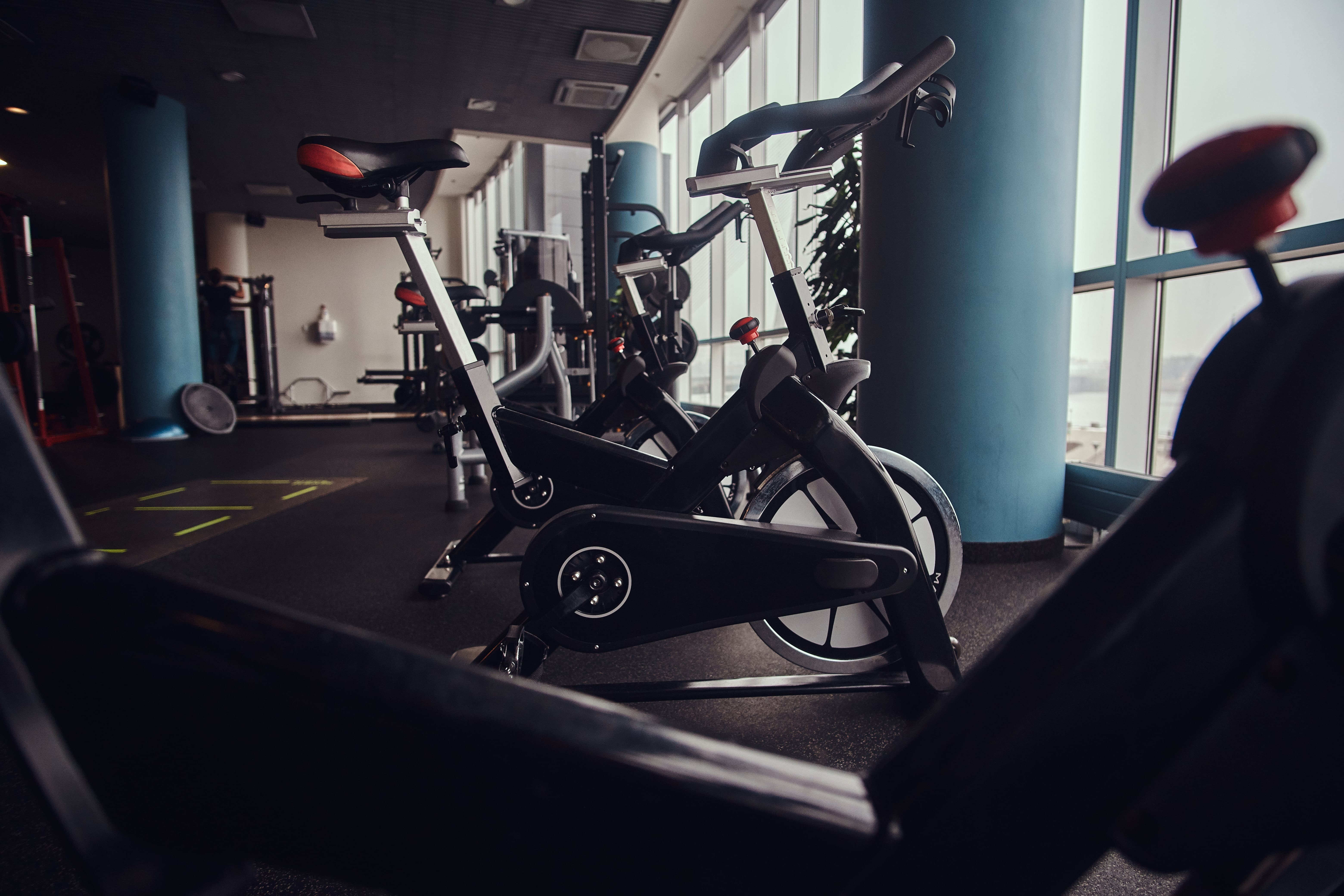 For anyone looking to improve cardiovascular health, shed excess pounds, or develop lower-body strength without pounding their joints, the stationary bike offers an available, extremely effective service. This thorough guide explores whatever one needs to understand about the stationary bicycle, from its numerous types to structured workout regimens that deliver outcomes.Why Choose a Stationary Bicycle?The popularity of indoor biking is no accident. Compared to other forms of cardio, cycling on a stationary bicycle uses a special mix of high performance and low impact. Here are the primary factors physical fitness lovers and novices alike turn to the stationary bicycle:
- Joint-Friendly Movement: Unlike running or high-impact aerobics, biking reduces stress on the hips, knees, and ankles. This makes it an ideal option for individuals recuperating from injuries or those handling joint discomfort.
- Cardiovascular Conditioning: Regular biking raises the heart rate, enhancing the heart muscle, improving lung capability, and reducing resting blood pressure.
- Calorie Burning: Depending on intensity and body weight, an energetic session on a stationary bicycle can burn anywhere from 400 to 600 calories per hour.
- Convenience and Safety: Weather, traffic, and uneven surface are never ever challenges when biking inside. Riders can exercise bike in home securely at any time of day, regardless of external conditions.
Types of Stationary BicyclesNot all fixed bikes are created equivalent. Various designs accommodate various physique, fitness levels, and training styles. Comprehending these variations helps users pick the very best equipment for their specific requirements.Bike TypePrimary FocusBest Suited ForComfort LevelUpright BikeConventional cycling feel, core engagementGeneral cardio, fitness enthusiastsModerate (basic saddle)Recumbent BikeLower-back assistance, unwinded placingBeginners, seniors, rehabilitationHigh (bucket seat with back-rest)Indoor Cycle (Spin Bike)High-intensity training, road bike simulationAdvanced riders, HIIT, group classesLow to Moderate (forward-leaning posture)Air Bike (Fan Bike)Full-body workout (arms and legs)Cross-training, HIIT, high calorie burnModerate1. Upright BikesUpright bikes carefully mimic the posture of riding a standard outdoor bicycle for exercise at home. The rider sits straight over the pedals, which needs some core stabilization. These bikes are versatile and ideal for steady-state cardio, interval training, and casual riding.2. Recumbent BikesRecumbent bikes feature a larger, bucket-style seat geared up with an encouraging back-rest. The pedals are placed out in front of the rider instead of directly beneath. This design disperses body weight more evenly, making it the top option for people with back issues, joint constraints, or those brand-new to mini exercise cycle.3. Indoor Cycles (Spin Bikes)Designed for high-intensity exercises, indoor cycles feature heavy weighted flywheels that create a smooth, momentum-driven trip. Riders lean forward over handlebars, engaging the upper body and core. These bikes enable out-of-the-saddle climbing and sprinting, making them popular for simulated road biking and studio-style classes.4. Air BikesAir bikes utilize a wind-resistance fan rather of a standard magnetic or friction brake. As the rider pedals quicker, the fan generates more resistance. A lot of air bikes also include dual-action deal with arms, supplying a simultaneous upper- and lower-body exercise that is particularly popular in CrossFit and high-intensity period training (HIIT).Key Health Benefits of Indoor CyclingInvesting time on a fixed bicycle yields profound physiological and psychological advantages. Including consistent trips into a weekly routine can result in several significant improvements:
- Enhanced Leg Strength: Pedaling versus resistance targets the quadriceps, hamstrings, glutes, and calves. Over time, this constructs lean muscle mass and enhances lower-body power.
- Improved Insulin Sensitivity: Cardiovascular Exercise Bikes Home assists the body utilize glucose better, assisting in the management and prevention of type 2 diabetes.
- Stress Relief: Like numerous forms of aerobic exercise bikes home, biking stimulates the release of endorphins– the body’s natural mood elevators– while decreasing cortisol levels.
- Customizable Intensity: With adjustable resistance knobs and digital programs, users can perfectly transition from a gentle recovery trip to a lung-busting hill climb.
Structured Stationary Bike WorkoutsLeaping on a bike and pedaling aimlessly at the very same speed for half an hour can lead to boredom and plateaued results. To maximize efficiency, riders should include diverse, structured workouts into their schedules. Here are three unique regimens ideal for different physical fitness objectives:Workout 1: The Beginner Steady-State Ride
- Goal: Build endurance and cardiovascular base.
- Duration: 30 minutes
- Structure:
- Warm-up (5 minutes): Easy, comfy pedaling at a low resistance (RPM around 70-80).
- Main Set (20 minutes): Moderate pace. Resistance should feel difficult, but the rider needs to quickly keep a conversational breath (RPM 80-90).
- Cool-down (5 minutes): Gradually reduce resistance and pedaling speed back to a mild spin.
Exercise 2: High-Intensity Interval Training (HIIT)
- Objective: Maximize calorie burn and improve cardiovascular threshold.
- Duration: 25 minutes
- Structure:
- Warm-up (5 minutes): Light pedaling to prepare the muscles.
- Periods (15 minutes): Alternate in between 30 seconds of full-blown sprinting (maximum resistance and speed) and 90 seconds of sluggish, active recovery spinning. Repeat this cycle 7 to 8 times.
- Cool-down (5 minutes): Slow rotation, allowing the heart rate to normalize.
Workout 3: The Hill Climb Simulation
- Objective: Build leg strength and muscular endurance.
- Duration: 35 minutes
- Structure:
- Warm-up (5 minutes): Flat road simulation, light resistance.
- Climb up 1 (7 minutes): Increase resistance to imitate a high hill. Stay seated or stand, slowing cadence to a heavy grind (RPM 60-70).
- Healing (3 minutes): Drop resistance, quickly flat spin (RPM 90-100).
- Climb 2 (7 minutes): Heavy resistance climb, mimicking a tough mountain grade.
- Healing (3 minutes): Fast flat spin.
- Final Push (5 minutes): Moderate reach end up strong.
- Cool-down (5 minutes): Easy pedal to end up.
Tips for Proper Form and SafetyTo prevent injury and make the most of the efficiency of a stationary bicycle workout, riders must pay attention to setup and posture:
- Seat Height: When the pedal is at the bottom of its stroke (6 o’clock position), the rider’s knee need to have a minor bend (approximately 25 to 35 degrees). A seat that is too low can strain the knees, while one that is expensive can trigger rocking in the hips.
- Handlebar Position: Handlebars ought to be set at a height that avoids excessive hunching of the shoulders. Riders ought to maintain a long, neutral spinal column with relaxed elbows.
- Foot Placement: The ball of the foot must rest straight over the center of the pedal. Using toe cages or biking shoes ensures appropriate power transfer throughout both the push and pull phases of the pedal stroke.
- Hydration: Indoor cycling causes substantial perspiration. Always keep a water bottle close-by and sip frequently, even during shorter sessions.
The fixed bicycle remains a cornerstone of physical conditioning for good reason. Its flexibility, low-impact nature, and adaptability make it suitable for everybody– from elite athletes to individuals taking their extremely primary steps towards a much healthier lifestyle. By selecting the right bike, maintaining appropriate type, and mixing up exercise regimens with intervals and climbs, riders can enjoy a life time of cardiovascular health, strength, and vitality from the convenience of home or the fitness center.