
 Florian Puente gevraagd, 2 weken geleden
The Ultimate Guide to Finding and Choosing the Right Exercise Bike for Your HomeIn an age where benefit is king and keeping a healthy way of life is a top priority, home fitness equipment has seen an enormous rise in popularity. Amongst the various cardio devices offered, the stationary bicycle remains an ageless favorite. It uses a low-impact, high-efficiency workout that is mild on the joints while loading a serious punch in terms of calorie burn and cardiovascular health. 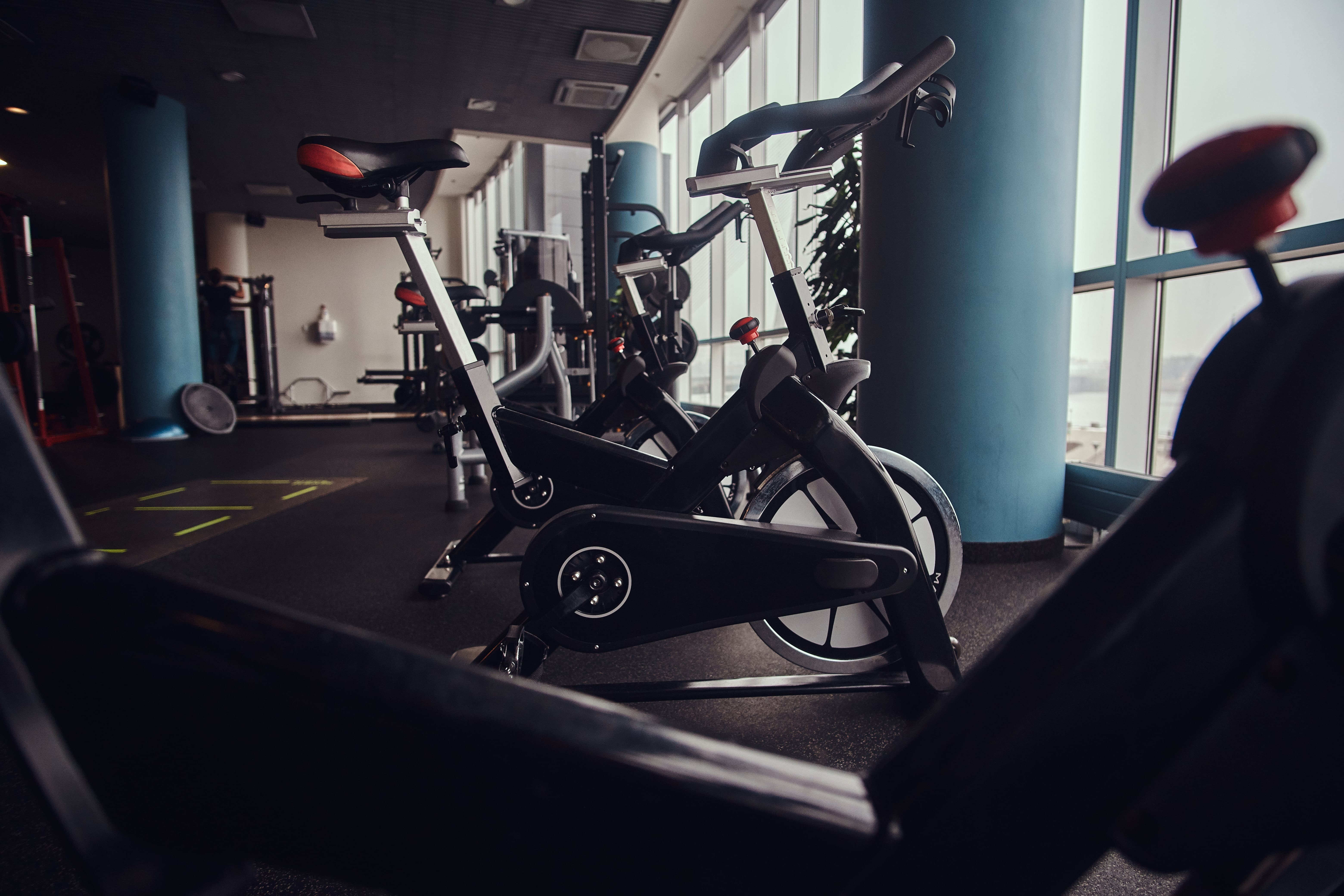 However, with many designs, brand names, and technological features flooding the market, the look for the ideal exercise bike can feel overwhelming. Whether somebody is a seasoned bicyclist wanting to keep leg power throughout the off-season or a novice attempting to kickstart a weight-loss journey, finding the ideal fit requires cautious factor to consider. This guide explores whatever a purchaser requires to understand when looking for exercise bikes, breaking down the types, key features, and how to choose the best one for specific fitness objectives.Comprehending the Main Types of Exercise BikesBefore diving into particular brands or rates tiers, it is necessary to comprehend the 3 primary categories of exercise bikes. Each type serves a various function, accommodates various physique, and offers a special riding posture.1. Upright BikesUpright bikes carefully mimic the feel of a conventional outside roadway bicycle. The user sits upright, and the pedals are positioned straight below the body.
- Best for: General fitness, indoor biking classes, and users who want a standard bicycle feel.
- Pros: Compact footprint, engages the core more due to the absence of back support, and permits both seated and standing pedaling.
- Cons: Can trigger lower back or seat discomfort during long sessions for novices.
2. Recumbent BikesRecumbent bikes feature an easygoing, bucket-style seat with a back-rest. The pedals are placed out in front of the user instead of beneath.
- Best for: Individuals with lower pain in the back, seniors, or those recuperating from injuries.
- Pros: Excellent lumbar assistance, highly comfy, and minimizes pressure on the joints and glutes.
- Cons: Takes up more floor area than upright models and normally does not permit for out-of-the-saddle climbing simulations.
3. Indoor Studio Cycles (Spin Bikes)Studio cycles are constructed to duplicate high-intensity roadway cycling or boutique spin classes. They feature heavy flywheel systems, adjustable handlebars, and durable frames developed for aggressive riding.
- Best for: High-intensity interval training (HIIT), serious bicyclists, and fans of virtual biking apps like Peloton or Zwift.
- Pros: Extremely resilient, extremely customizable fit, and smooth pedaling momentum.
- Cons: Often requires cycling shoes (clipless pedals), and the racing saddles can be hard on unconditioned riders.
Key Features to Look ForWhen searching for a stationary bicycle, buyers need to look beyond the aesthetic appeal and examine the technical specs. The list below components determine the quality and longevity of the device:
- Resistance System: Magnetic resistance is commonly thought about the gold standard because it is practically silent, uses smooth shifts, and needs nearly no maintenance. Friction resistance (using felt pads) is less expensive but wears with time.
- Flywheel Weight: Generally, heavier flywheels (especially on spin bikes) provide a smoother, more natural momentum. A flywheel weighing between 15 to 30 pounds is generally enough for most home users.
- Adjustability: A bike needs to get used to fit the user’s body, not the other way around. Search for seats that move both vertically and horizontally, and handlebars with multi-position modifications.
- Console and Connectivity: Modern bikes vary from basic LCD screens displaying basic metrics (time, speed, distance, calories) to massive HD touchscreens with integrated streaming memberships for live and on-demand classes.
- Weight Capacity: Always examine the optimum user weight limit to make sure stability and safety throughout energetic exercises.
Comparison of Exercise Bike TypesTo assist sum up the distinctions, here is a quick comparison table laying out which bike fits particular requirements:Bike TypeMain FocusFinest Suited ForFootprint SizeJoint ImpactUprightCardiovascular & & Core General physical fitness lovers Compact Low to Moderate Recumbent Convenience & Rehabilitation Elders, backpain victims Large Very Low StudioCycle HIIT& Endurance Spin enthusiasts, advanced riders Medium Low Step-by-Step Buying Guide Discoveringthe best exercise bicycledesign involves assessing personal needs, space restraints, and monetary specifications. Purchasers should follow these crucial steps: Assess AvailableSpace:Measure the designated exercise areabefore shopping. Remember that recumbent bikes have a longer profile, while upright and studio bikes take up less flooring space. Determine the Budget:
- Exercise bikes vary from economical models under ₤ 300 to luxury clever bikes exceeding ₤ 2,000. Remember that high-end designs often require ongoing regular monthly memberships for full functionality. Evaluate Who Will Use It: If several household members of differing heights and physical fitness levels will utilize the bike, prioritize quick-release changes and universal pedal styles(like dual-sided pedals with toe cages and SPD clips ). Research Study Warranty and Customer Support: A great guarantee signifies a manufacturer’s self-confidence in their item. Try to find at least a 1-to-3-year guarantee on parts and electronic devices, and a life time warranty on the frame. Essential Accessories to Enhance the Ride Acquiring the bike is only half the fight. To take full advantage of convenience and efficiency
- , riders typically invest in a couple of extra products: Exercise Equipment Mat: Placed beneath the bike, this secures hardwood or carpeted floors from sweat and reduces vibrations. Gel Seat Cover: Highly recommended for novices using upright or studio bikes to relieve
into the saddle soreness stage. Heart Rate Monitor: Chest straps or armbands offer more precise caloric burn and effort information than basic integrated pulse grips. Water Bottle Holder: Essential for remaining
- hydrated during long, sweat-inducing sessions. Searching for exercise bike for house bikes does not have to be a difficult endeavor. By comprehending the distinct benefits of upright, recumbent, and studio models, and by carefully assessing functions like resistance systems, console tech, and construct quality, buyers can find a machine that lines up perfectly with their way of life. Buying an exercise bike is an investment in long-term health, providing a trusted, weather-proof method to remain active from the comfort of home. Take the time to examine individual physical fitness goals, determine the available area
, and select a model that inspires movement day after day.