
 Monique Fraser gevraagd, 2 weken geleden
The Ultimate Guide to Fitness Bikes: Transforming Your Cardio Routine in the houseIn recent years, the landscape of home physical fitness has gone through a huge evolution. Among the myriad of equipment offered, the fitness bike stays a long-lasting staple. Whether it’s called an exercise bike home bike, an indoor cycle, or a stationary bikes exercise bikes bicycle, this tool is one of the most dependable tools for cardiovascular health, weight management, and lower-body strength. For anybody wanting to buy their health without navigating the unforeseeable aspects of outdoor cycling, a physical fitness bike uses a regulated, effective, and extremely adjustable workout. This guide checks out the various kinds of physical fitness bikes, their health advantages, key functions to look for, and how to select the right one for individual goals.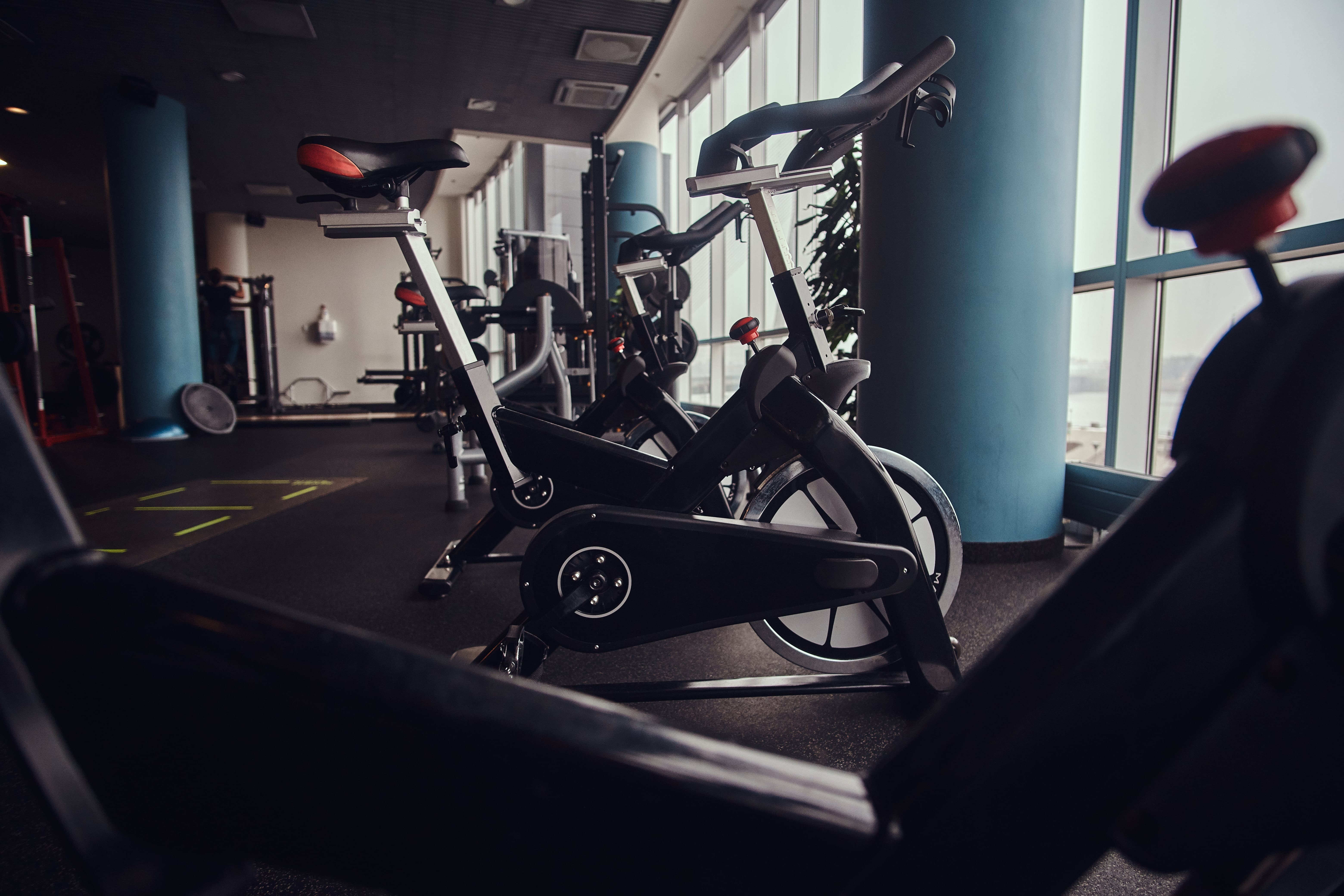 Comprehending the Types of Fitness BikesNot all physical fitness bikes are developed equal. Various styles cater to various fitness levels, physical requirements, and training designs. Comprehending these differences is the first action in finding the perfect machine.1. Upright BikesUpright bikes closely imitate the posture of riding a standard outdoor bicycle. The user sits upright with their upper body somewhat leaned forward, engaging the core and upper body more than other indoor bike variants.
- Best for: General physical fitness, endurance building, and leisure riders.
- Pros: Compact footprint, flexible workouts, engages core muscles.
- Cons: Can trigger lower back or neck stress throughout extended sessions for novices.
2. Indoor Cycles (Spin Bikes)Indoor cycles are developed for high-intensity workouts. They include heavy, exercise bicycles for Sale weighted flywheels that develop momentum, mimicing the feel of riding uphill or travelling on a road bike. The handlebars and seats are totally adjustable to accommodate standing climbs up and aggressive sprints.
- Best for: High-intensity interval training (HIIT), spin class enthusiasts, and advanced bicyclists.
- Pros: Highly long lasting, enables for out-of-the-saddle riding, highly customizable resistance.
- Cons: Seats can be unpleasant initially; requires proper form to avoid injury.
3. Recumbent BikesRecumbent bikes include an easygoing, bucket-seat design with pedals positioned out in front of the user rather than below. This ergonomic layout disperses body weight uniformly and offers robust lower-back assistance.
- Best for: Seniors, individuals with pain in the back, joint problems, or those going through physical rehab.
- Pros: Extremely comfortable, joint-friendly, outstanding back support.
- Cons: Takes up more flooring area; not suitable for high-intensity sprinting or out-of-the-saddle training.
Comparing Bike Types at a GlanceFunctionUpright BikeIndoor Cycle (Spin)Recumbent BikeBody PositionUpright, slight forward leanAggressive forward leanReclined, supported backMain FocusGeneral cardio, toningHigh-intensity training, enduranceLow-impact, available rehabilitationFootprintLittleLittle to MediumBigJoint FriendlinessModerateModerateHighCore EngagementHighHighLowThe Compelling Benefits of Riding a Fitness BikeInvesting time in a physical fitness bike yields various physical and mental health benefits. Here are the main reasons stationary bikes exercise bikes biking stays a preferred amongst fitness lovers:
- Low-Impact Cardiovascular Conditioning: Unlike running or jumping, biking is gentle on the knees, hips, and ankles. It elevates the heart rate effectively without subjecting joints to high-impact shock.
- Lower Body Muscle Toning: Cycling targets multiple muscle groups simultaneously, consisting of the quadriceps, hamstrings, calves, glutes, and even the core stabilizers.
- Calorie Burning and Weight Loss: Depending on intensity and body weight, a vigorous cycling session can burn in between 400 to 600 calories per hour, making it an efficient tool for caloric deficit and weight management.
- Benefit and Weather Independence: Rain, snow, heat, and traffic are no longer barriers to getting an exercise in. A physical fitness bike offers a dependable, regulated environment.
Secret Features to Consider Before BuyingBuying a fitness bike requires cautious consideration of personal needs and technical requirements. Keeping the following aspects in mind will make sure a clever investment:1. Resistance MechanismThe method a bike produces resistance impacts the smoothness and sound level of the ride:
- Friction Resistance: Uses felt pads that push against the flywheel. It offers boundless resistance levels however requires regular pad replacement and can be slightly noisy.
- Magnetic Resistance: Uses magnets and a metal flywheel. It is whisper-quiet, essentially maintenance-free, and provides smooth, consistent resistance changes.
2. Flywheel Weight (for Indoor Cycles)For spin bikes, a much heavier flywheel (typically 30 to 40+ pounds) provides a smoother, more realistic momentum-driven ride, whereas lighter flywheels rely more greatly on the resistance knob to develop tension.3. Console and ConnectivityModern fitness bikes vary from easy LCD screens displaying basic metrics (time, speed, distance, calories) to innovative HD touchscreens with built-in streaming capabilities for live and on-demand classes. Think about whether interactive subscriptions are preferred or if a simple, economical console is enough.4. Adjustability and ComfortEnsure the bike offers adjustable seat height and fore/aft positions. Handlebar adjustability is likewise important for preventing stress and achieving an ergonomic riding posture.Tips to Maximize Your Fitness Bike WorkoutHaving the devices is just half the battle; understanding how to use it efficiently yields the very best home exercise machine outcomes.
- Set Up Correctly: Adjust the seat height so there is a slight bend in the knee at the bottom of the pedal stroke. Incorrect seat height can lead to knee discomfort and inefficient pedaling.
- Include Interval Training: Alternate between high-intensity sprints (pushing heavy resistance or high RPMs) and active recovery periods to boost cardiovascular endurance and calorie burn.
- Keep Good Posture: Keep shoulders unwinded, core engaged, and prevent death-gripping the handlebars. A strong core protects the lower back.
- Stay Consistent: Aim for 3 to 4 sessions each week, slowly increasing duration and resistance as physical fitness levels enhance.
A physical fitness bike is much more than a piece of metal and rubber; it is an entrance to much better health, raised energy levels, and a stronger heart. By assessing individual goals, space limitations, and preferred workout designs– whether that is a grueling hill get on an indoor cycle or a comfy, supported spin on a recumbent bike– anybody can find the perfect match. Step into the saddle, accept the journey, and pedal towards a much healthier future.