
 Belen Hirst gevraagd, 1 week geleden
The Ultimate Guide to Exercise Bikes: Pedaling Your Way to Better HealthIn the contemporary pursuit of health and health, cardiovascular fitness stays a cornerstone. While running outdoors, swimming, and conventional fitness center equipment all have their merits, couple of fitness devices provide the benefit, versatility, and joint-friendly advantages of the humble stationary bicycle. Whether someone is a seasoned triathlete looking to maintain winter mileage or a complete beginner taking their very first steps toward a healthier lifestyle, Stationary Bike exercise bicycles offer a safe, effective, and accessible method to reach fitness objectives. 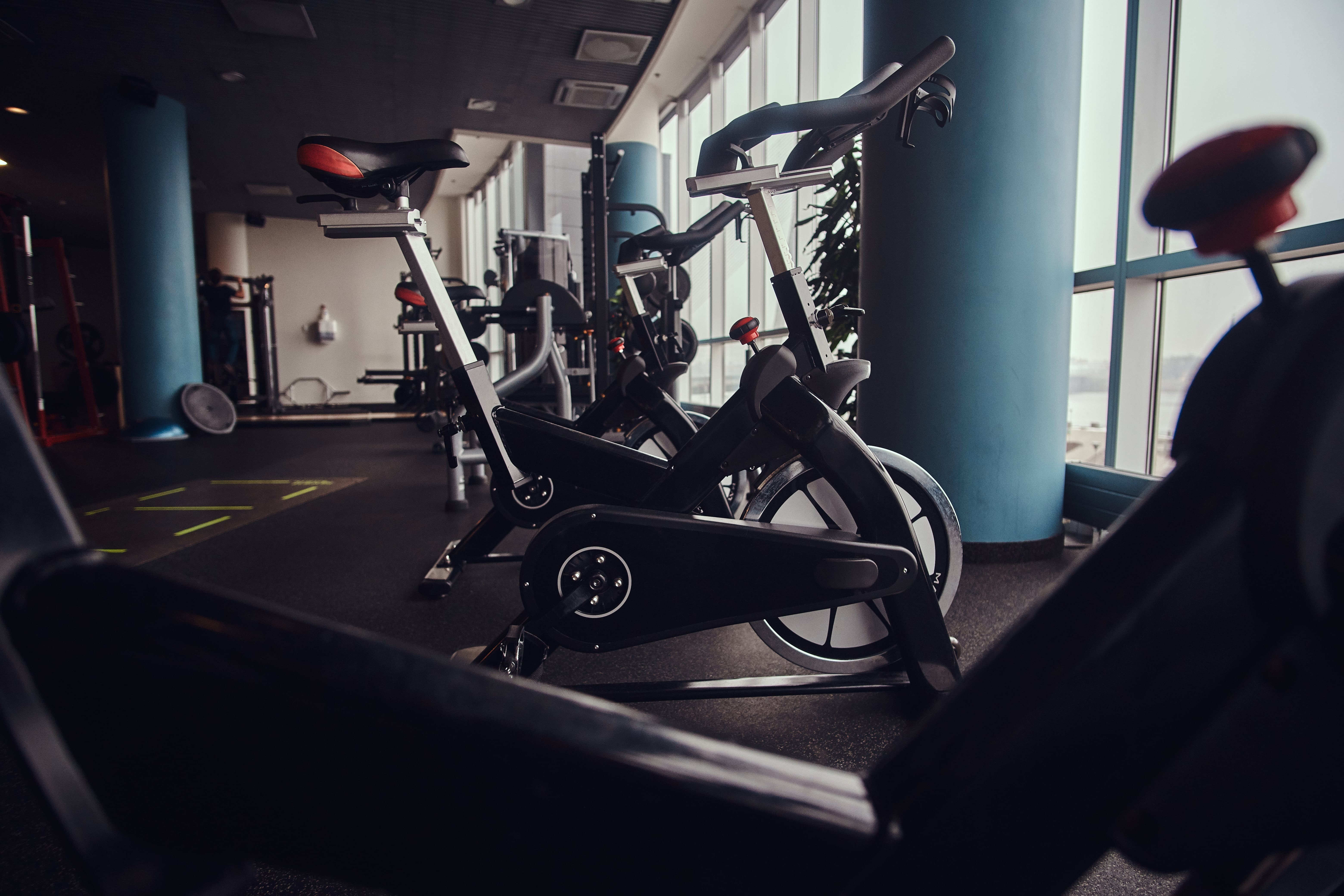 This detailed guide explores the various kinds of exercise bikes, their health advantages, how to pick the ideal one, and pointers for maximizing workouts.The Evolution of Indoor CyclingGone are the days when exercise bikes were large, uninspiring metal gizmos gathering dust in the corner of a basement. Today’s stationary bicycles are high-tech, smooth, and immersive. With the combination of digital screens, live-streaming classes, and advanced resistance metrics, indoor cycling has changed from a task into an appealing, community-driven fitness experience. In spite of these technological leaps, the basic advantage stays the same: pedaling versus resistance burns calories, reinforces the lower body, and enhances heart health without putting excessive tension on the joints.Types of Exercise BikesPicking the right stationary bicycle depends heavily on physical fitness goals, budget plan, physical restrictions, and available area. The three most typical types are upright, recumbent, and indoor studio cycles.1. Upright BikesUpright bikes carefully mimic the feel of a conventional outdoor bicycle. The user sits upright with their torso somewhat leaned forward, positioning their hands on handlebars positioned lower than the seat.
- Best for: General physical fitness, casual riders, and those who want a flexible workout.
- Muscles targeted: Quadriceps, hamstrings, calves, and core muscles (which should engage to keep posture).
2. Recumbent BikesRecumbent bikes include a larger, bucket-style seat with a back-rest, positioned behind the pedals rather than above them. Riders sit in a reclined, semi-supine position with their legs extending forward.
- Best for: Beginners, older grownups, individuals with lower neck and back pain, or those recovering from injuries.
- Muscles targeted: Glutes, hamstrings, and quadriceps, with very little pressure on the upper body and spinal column.
3. Indoor Studio Cycles (Spin Bikes)Studio cycles are created to reproduce outside road cycling. They feature heavy, weighted flywheels that produce a smooth, momentum-based pedal stroke. Riders typically alternate between seated pedaling and out-of-the-saddle climbing up sprints.
- Best for: High-intensity interval training (HIIT), devoted bicyclists, and those who enjoy energetic, class-style exercises.
- Muscles targeted: A full-body lower-body workout, alongside considerable upper-body engagement (arms, shoulders, and core) during out-of-the-saddle movements.
Comparing Exercise Bike TypesTo assist determine which machine best fits specific requirements, consider the following breakdown:FeatureUpright BikeRecumbent BikeIndoor Studio CycleBack SupportNoneFull backrestNoneJoint ImpactLowVery LowLow to ModerateCore EngagementModerate to HighLowHighIntensity PotentialModerateLow to ModerateHighFootprintCompactLargerCompactIdeal UserGeneral physical fitness enthusiastSenior citizens, injury healingAdvanced riders, HIIT fansThe Top Health Benefits of Riding an Exercise BikeIncluding regular stationary bicycle sessions into a weekly routine yields extensive physical and psychological health benefits.
- Improves Cardiovascular Health: Cycling is a powerful aerobic exercise cycle for sale. It gets the heart pumping, lowers resting heart rate, lowers blood pressure, and improves total flow.
- Low-Impact Joint Protection: Unlike running or high-impact aerobics, biking is a closed-chain exercise bike for sale. The feet remain repaired to the pedals, securing the knees, hips, and ankles from heavy shock absorption.
- Help in Weight Management: Depending on intensity and body weight, biking can burn anywhere from 400 to 700 calories per hour, making it an efficient tool for caloric deficits and fat loss.
- Constructs Lower Body Strength: Pedaling resistance forces the leg muscles to work hard. Over time, this builds lean muscle mass, shapes the legs, and increases lower-body endurance.
- Boosts Mental Health: Like most forms of great exercise bikes, indoor biking triggers the release of endorphins– the body’s natural mood elevators– which help in reducing tension, anxiety, and symptoms of anxiety.
Secret Features to Look for When BuyingAcquiring a stationary bicycle is an investment in individual health. Before making a purchase, buyers must assess a number of crucial aspects:
- Resistance Mechanism:
- Friction Resistance: Uses felt pads versus the flywheel; affordable but needs regular pad replacements.
- Magnetic Resistance: Uses magnets to develop smooth, silent, and maintenance-free resistance. Highly advised for home usage.
- Console and Connectivity: Some bikes feature standard LCD screens displaying time, speed, and calories, while others provide HD touchscreens with built-in Wi-Fi for streaming interactive classes (e.g., Peloton, iFit, Zwift).
- Adjustability: Ensure the seat adjusts vertically and horizontally, which handlebars provide multi-position grips to guarantee a comfy, ergonomic fit.
- Weight Capacity and Sturdiness: A much heavier frame normally corresponds to a more steady trip throughout high-intensity bursts. Inspect the maker’s weight limitation to ensure toughness.
Tips for Maximizing an Indoor Cycling WorkoutSimply hopping on a bike and pedaling aimlessly will yield outcomes, however tactical riding takes full advantage of effectiveness and prevents injury.
- Focus On Proper Bike Fit:
- Seat Height: When the pedal is at the bottom of the stroke, there need to be a small bend (about 25 to 30 degrees) in the knee.
- Handlebar Height: Should be comfy for the lower back; newbies must keep handlebars greater, while advanced riders can lower them for an aerodynamic posture.
- Incorporate Interval Training: Instead of maintaining a constant speed for 30 minutes, alternate in between high-intensity sprints (pushing heavy resistance or high RPMs) and active healing stages. This enhances calorie burn and enhances cardiovascular conditioning.
- Preserve Cadence: Aim for a consistent cadence (pedaling speed), usually measured in Revolutions Per Minute (RPM). A basic flat road rate is usually in between 80 and 100 RPM.
- Do Not Forget Upper Body Engagement: Keep shoulders unwinded far from the ears, engage the core to safeguard the lower back, and preserve a light grip on the handlebars rather than disposing body weight onto the hands.
Typical Mistakes to AvoidTo make sure a safe and productive riding experience, keep an eye out for these common pitfalls:
- Resistance Set Too Low: Pedaling with absolutely no resistance does not challenge the muscles or the cardiovascular system. Constantly preserve sufficient resistance to feel supported and challenged.
- Slouching: Rounding the lower back puts unneeded tension on the spinal column. Keep the chest open and spine neutral.
- Dehydration: Indoor biking triggers heavy perspiration. Constantly keep a water bottle within arm’s reach.
The stationary bicycle remains a timeless, highly effective piece of fitness equipment. Whether the goal is to shed a couple of pounds, train for an outside cycling season, or merely stay active while viewing a preferred television show, stationary bicycles provide unrivaled benefit and versatility. By selecting the best model, keeping correct kind, and remaining consistent, anyone can transform their health– one pedal stroke at a time.