
 Arnold Hardin gevraagd, 23 uur geleden
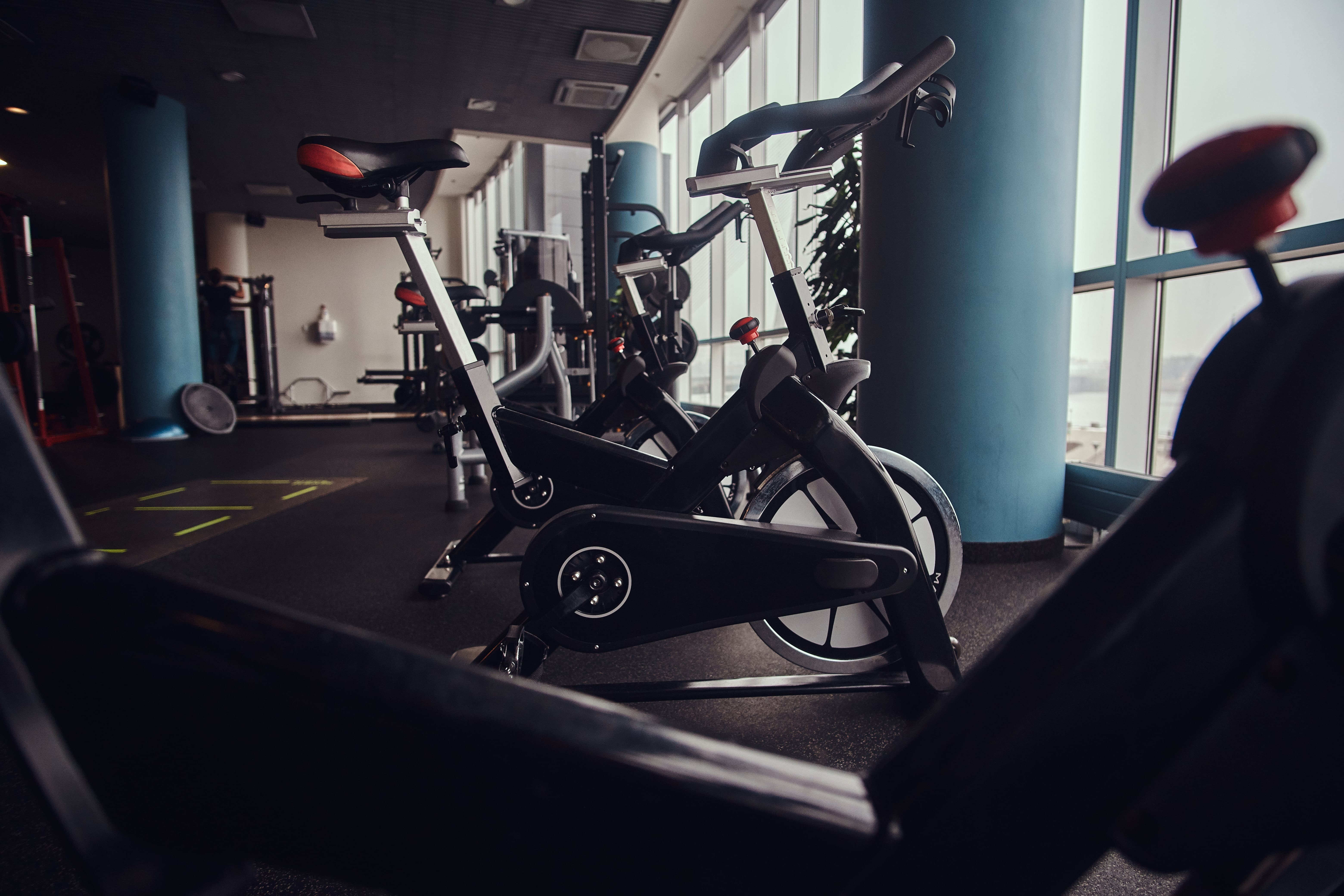 The Ultimate Guide to the Gym Bicycle: Types, Benefits, and WorkoutsThe gym bicycle is a staple of modern physical fitness centers. Whether somebody is a seasoned triathlete or a newbie taking their very first actions toward a much healthier lifestyle, the stationary bicycle uses a versatile, low-impact path to cardiovascular health. Far from being simply a substitute for outside biking on a rainy day, the gym bicycle has actually evolved into an advanced fitness device equipped with digital display screens, streaming classes, and exact resistance controls.Understanding the nuances of indoor cycling can assist fitness enthusiasts maximize their exercises, prevent injuries, and pick the best equipment exercise cycle for home their particular goals.1. The Core Benefits of Riding a Gym BicycleIncorporating stationary cycling into a weekly regular yields a wide array of physical and mental health advantages. Due to the fact that it is a low-impact activity, it puts significantly less tension on the hips, knees, and ankles compared to running or high-intensity plyometrics. Secret Advantages:
- Cardiovascular Endurance: Regular biking reinforces the heart and lungs, improving the body’s capability to flow oxygen efficiently.
- Lower Body Strength: It mainly targets the quadriceps, hamstrings, glutes, and calves. Adjusting resistance imitates hill climbs, developing muscular power.
- Calorie Burning: Depending on strength and body weight, a vigorous session can burn in between 400 to 600 calories per hour.
- Joint-Friendly Movement: The fluid, circular motion of pedaling protects joints while still providing an extensive workout.
- Mental Well-being: Like a lot of forms of aerobic mini cycle exercise bike, cycling triggers the release of endorphins, helping to decrease tension and anxiety.
2. Typical Types of Gym BicyclesNot all stationary bicycles are created equivalent. Different styles cater to different body types, comfort choices, and training designs. Bike TypeBest Suited ForPrimary FeaturesComfort LevelUpright BikeTraditional cyclists, basic cardio, HIITConventional saddle, upright posture, simulates a roadway bike.Moderate (can cause saddle tiredness on long rides).Recumbent BikeNewbies, older grownups, neck and back pain victimsReclined seat with back assistance, pedals placed in front.High (exceptional lumbar assistance).Indoor mini Cycle exercise bike (Spin Bike)High-intensity interval training, roadway biking simulationWeighted flywheel, heavy resistance knob, forward-leaning geometry.Low to Moderate (created for efficiency over luxurious convenience).Air exercise bike workout (Assault Bike)CrossFit, high-intensity conditioning, full-body exercisesWind-resistance fan, moving handlebars that press and pull.Moderate (demands high physical exertion).3. Upright vs. Recumbent vs. Spin: Making the Right ChoiceSelecting the appropriate machine depends totally on individual fitness goals and physical factors to consider.Upright BikesThe upright bike carefully looks like a traditional outside bicycle. The rider sits vertically over the pedals. This position engages the core muscles more than a recumbent bike since the rider must stabilize their upper body. It is ideal for basic physical fitness classes and casual cardio sessions.Recumbent BikesRecumbent bikes feature a larger, bucket-style seat equipped with a backrest. The pedals are placed out in front of the user instead of directly beneath them. This style is exceptionally popular amongst people undergoing physical rehabilitation, older adults, or anyone with lower back concerns. The reclined position distributes body weight more evenly, lowering pressure on the sit bones and spine.Spin Bikes (Indoor Cycles)Indoor cycles are built for power and efficiency. They include a heavy weighted flywheel connected to the pedals through a chain or belt. Unlike standard stationary bicycles that enable users to coast, a fixed-gear flywheel keeps the legs moving, needing active braking to slow down. Spin bikes allow riders to stick out of the saddle for “climbing” drills, making them the preferred option for high-intensity studio biking classes.4. How to Properly Set Up a Gym BicycleA poorly adjusted bike can cause knee pain, lower back pain, and inefficient pedaling. Taking two minutes to effectively set up the equipment makes a significant distinction.
- Seat Height: Stand beside the bike and change the saddle so it aligns roughly with the top of the hip bone. When seated with the heel on the pedal at the really bottom of the stroke, the leg should be entirely straight with a slight micro-bend at the knee.
- Seat Fore/Aft Position: When the pedals are positioned at the 3 o’clock and 9 o’clock positions, the forward knee should be straight over the ball of the foot.
- Handlebar Height: Handlebars ought to normally be set at the very same height as the saddle or a little higher. Beginners or those with back concerns must raise the handlebars to keep a more upright, comfy torso angle.
5. Test Gym Bicycle WorkoutsUniformity is the opponent of consistency. Rather of pedaling at the exact same constant pace for half an hour, users can try these structured regimens to challenge their bodies in different ways.Workout A: The 30-Minute Pyramid (Endurance & & Stamina)
- 0– 5 minutes: Warm-up at a light, simple conversational pace (Resistance 3-4).
- 5– 10 mins: Increase resistance to a moderate level (Resistance 6-7); maintain a steady cadence of 80– 90 RPM (Revolutions Per Minute).
- 10– 15 mins: Increase resistance further (Resistance 9-10); lower cadence to 70– 75 RPM to simulate a heavy climb.
- 15– 20 minutes: Reduce resistance somewhat (Resistance 7); increase cadence to 95– 100 RPM (Speed drill).
- 20– 25 minutes: Repeat the heavy climb (Resistance 9-10 at 70– 75 RPM).
- 25– 30 mins: Cool down with light pedaling (Resistance 2-3).
Exercise B: High-Intensity Interval Training (HIIT)
- Warm-up: 5 minutes of easy pedaling.
- Intervals (Repeat 8 times):
- Sprint: 30 seconds of maximum effort (high resistance, high speed).
- Recovery: 90 seconds of slow, easy pedaling.
- Cool-down: 5 minutes of steady deceleration and stretching.
6. Pro Tips for Maximizing an Indoor Cycling SessionTo get the most out of every minute spent on a health club bicycle, keep these best practices in mind:
- Focus on the Full Pedal Stroke: Many riders just lower on the pedals. To engage the hamstrings and glutes better, consider scraping mud off the bottom of the shoe at the bottom of the stroke and bring up on the recovery phase.
- Keep Proper Posture: Keep the shoulders unwinded, elbows a little bent, and core engaged. Avoid slouching over the handlebars, which can restrict breathing and cause neck strain.
- Stay Hydrated: Indoor biking triggers profuse sweating since there is no natural wind cooling the body down. Always keep a water bottle within reach.
- Screen Intensity: Utilize built-in heart rate monitors or perceived exertion scales (1 to 10) to ensure workouts line up with everyday physical fitness objectives– whether that is active recovery or a maximum-effort cardiovascular push.
The health club bicycle stays a cornerstone of fitness for great factor. Its flexibility makes it available to practically anybody, no matter age or physical fitness level. By selecting the correct type of bike, setting it up correctly, and varying workout routines with interval training and climbs, exercisers can open an effective tool exercise cycle for sale building endurance, burning fat, and improving total health.