
 Ara Mccue gevraagd, 1 week geleden
The Ultimate Guide to Exercise Bikes: Pedaling Your Way to Better HealthIn the contemporary landscape of fitness, benefit is king. With unforeseeable weather, hectic schedules, and crowded gym, lots of fitness enthusiasts are choosing to bring their exercises home. Amongst the myriad of home exercise bike physical fitness equipment available, the stationary bicycle remains a classic staple. Whether an individual is intending to shed a few pounds, train for a cycling event, or simply maintain cardiovascular health, an exercise bikes bike uses a trustworthy, low-impact solution. This detailed guide explores the various types of stationary bicycle, their health benefits, crucial functions to try to find when buying, and ideas for optimizing workouts.Why Choose an Exercise Bike?Cycling is a powerhouse Exercise bike workout. It gets the heart pumping, constructs lower-body strength, and torches calories– all without the extreme impact associated with running or high-intensity period training (HIIT). Secret Benefits of Stationary Cycling
- Joint-Friendly: Unlike running, which puts significant stress on the knees, hips, and ankles, cycling is a low-impact activity. This makes it ideal for people with joint pain, those recovering from injuries, or older adults.
- Cardiovascular Health: Regular biking strengthens the heart and lungs, improves blood circulation, and assists lower resting heart rate and high blood pressure.
- Lower Body Muscle Engagement: Riding an Exercise Cycle For Sale bike works the quadriceps, hamstrings, glutes, calves, and even the core muscles utilized for stabilization.
- All-Weather Convenience: Rain, snow, or scorching heat can not cancel a ride on an indoor bike.
Kinds Of Exercise BikesNot all stationary bicycle are developed equivalent. Different designs deal with different physical fitness objectives, comfort levels, and body types. 1. Upright BikesUpright bikes mimic the posture of riding a traditional outdoor bicycle. The user sits upright with pedals placed directly below the body.
- best home exercise equipment for: General physical fitness, high-intensity period training (HIIT), and imitating roadway biking.
- Pros: Engages core muscles more than other types; uses up less floor area.
- Cons: Can cause neck or lower back tiredness throughout long sessions for some users.
2. Recumbent BikesRecumbent bikes feature a larger, bucket-style seat with a back-rest, and the pedals are positioned out in front of the user rather than below.
- Best for: Beginners, individuals with pain in the back, and older grownups.
- Pros: Exceptional lower-back assistance; really comfy; disperses weight equally.
- Cons: Takes up more flooring area; less focus on upper body and core engagement.
3. Indoor Cycling Bikes (Spin Bikes)Spin bikes are created to mimic outdoor racing bikes. They include heavy weighted flywheels, adjustable handlebars that permit for sticking out of the saddle, and direct-resistance systems.
- Best for: Advanced riders, spin class enthusiasts, and high-calorie-burn workouts.
- Pros: Highly versatile for extreme exercises; enables for standing climbs and sprints.
- Cons: Seats can be unpleasant initially; requires proper form to avoid injury.
Comparison of Exercise Bike TypesTo assist identify which bike best home exercise equipment fits private needs, think about the following breakdown:FeatureUpright BikeRecumbent BikeIndoor Cycling (Spin) BikeMain FocusGeneral cardio, toningComfort, rehab, low back healthHigh-intensity workouts, enduranceBack SupportNoneYes (Full back-rest)NonePedal PositionDirectly beneathOut in frontStraight underneath (adjustable)Space RequiredCompactModerate to LargeCompactIntensity LevelModerate to HighLow to ModerateHigh to ExtremeImportant Features to Look ForWhen looking for a stationary bicycle, buyers need to look beyond the cost and examine crucial functions that impact the workout experience.
- Resistance Mechanism:
- Friction Resistance: Uses felt pads against the flywheel. It provides limitless resistance levels but needs pad replacements gradually.
- Magnetic Resistance: Uses magnets and a flywheel. It is whisper-quiet, smooth, and essentially maintenance-free.
- Flywheel Weight: For spin bikes, a heavier flywheel (normally 30 to 40+ pounds) provides a smoother, more realistic road-like momentum.
- Adjustability: An excellent bike ought to have a seat that adjusts both vertically and horizontally, and handlebars that can be transferred to fit the user’s height and reach.
- Console and Connectivity: Modern bikes range from basic LCD screens displaying time, speed, and calories, to clever touchscreens with built-in streaming for live and on-demand classes.
- Weight Capacity: Always examine the manufacturer’s maximum weight limit to guarantee stability and safety.
Optimizing Your Exercise Bike WorkoutGetting the bike is only the primary step. To see genuine outcomes, riders must approach their exercises with structure and purpose.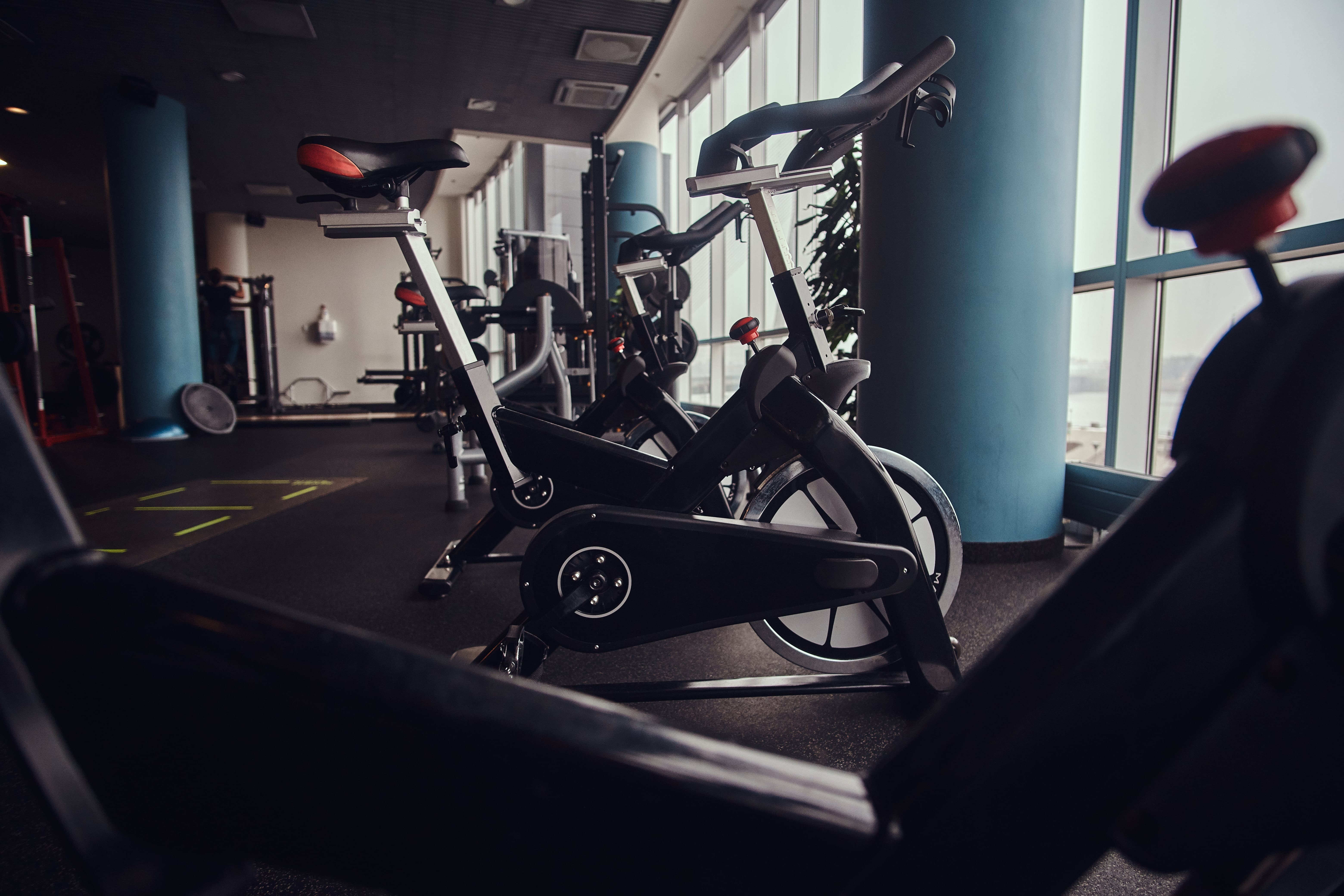 Tips for a Better Ride:
- Set the Proper Saddle Height: A typical mistake is riding with the seat too low, which strains the knees. When the pedal is at the bottom of the stroke, the rider’s knee ought to have a slight bend (about a 25-to-30-degree angle).
- Integrate Interval Training: Alternating in between high-intensity sprints and low-recovery periods burns more calories and enhances cardiovascular endurance faster than a steady-pace ride.
- Preserve Good Posture: Keep the shoulders unwinded, core engaged, and avoid leaning greatly onto the handlebars, which can limit breathing and trigger wrist discomfort.
- Stay Hydrated: Indoor cycling triggers heavy sweating. Keep a water bottle within arm’s reach throughout every session.
Sample Beginner Workout RoutineFor those uncertain where to begin, this 20-minute beginner-friendly interval regimen is a great introduction to indoor cycling:
- Minute 0– 5: Warm-up at a light, easy pace with low resistance.
- Minute 5– 8: Increase resistance to a moderate level and pedal at a constant cadence.
- Minute 8– 9: Push tough (high strength) for a 60-second sprint.
- Minute 9– 11: Recovery speed (low resistance).
- Minute 11– 12: 60-second sprint.
- Minute 12– 14: Recovery pace.
- Minute 14– 15: 60-second sprint.
- Minute 15– 20: Cool down with light pedaling and decreased resistance.
The stationary bicycle remains a gold requirement in home physical fitness for excellent factor. By accommodating different physical fitness levels, safeguarding sensitive joints, and offering unbelievable cardiovascular and muscular advantages, it shows to be a beneficial financial investment in long-lasting health. Whether going with the plush convenience of a recumbent bike or the sweat-inducing intensity of a spin bike, riders can quickly pedal their way towards a much healthier, stronger lifestyle– all from the convenience of home.