
 Tristan Angas gevraagd, 3 dagen geleden
The Ultimate Guide to Exercise Bicycles: Pedaling Your Way to Better HealthIn the modern landscape of fitness, few tools stay as enduring and generally available as the good exercise bicycle bicycle. Whether positioned in a bustling industrial health club, a quiet corner of a living-room, or used in high-intensity store biking classes, the stationary bicycle is a cornerstone of cardiovascular health. As people significantly look for hassle-free, low-impact methods to keep an active way of life, great exercise bikes bikes have actually developed from basic mechanical pedals into advanced, tech-enabled physical fitness centers. This comprehensive guide checks out the diverse world of stationary bikes exercise bikes bicycles, analyzing their benefits, the different types available, how to choose the ideal one, and suggestions for maximizing workouts.The Benefits of Riding an Exercise BicycleInvesting time in a fixed bike provides a plethora of physical and psychological health benefits. Because the user is seated and the motion is assisted, it provides a stark contrast to high-impact activities like running.1. Low-Impact Joint ProtectionFor people recuperating from injuries, those handling arthritis, or much heavier adults aiming to reduce joint stress, exercise bikes are a perfect service. The circular movement of pedaling is smooth and places minimal stress on the knees, hips, and ankles compared to weight-bearing workouts.2. Cardiovascular EnduranceCycling is an extraordinary aerobic exercise. Routine sessions strengthen the heart muscle, lower resting heart rates, enhance lung capability, and enhance total blood circulation. Over time, this minimizes the risk of cardiovascular disease, hypertension, and type 2 diabetes.3. Lower Body Muscle ToningWhile cycling is mainly a cardiovascular exercise, it is a powerhouse for the lower body. The pedal stroke engages numerous muscle groups throughout various phases of the rotation:
- Quadriceps: Engaged mainly throughout the down push.
- Hamstrings and Glutes: Recruited throughout the upward pull and back-stroke.
- Calves and Shins: Stabilize the foot and ankle throughout the pedal transformation.
- Core Muscles: Engaged to keep posture, stability, and balance, specifically at higher strengths or out-of-the-saddle positions.
4. Benefit and Weather IndependenceOutdoor biking goes through the whims of Mother Nature, traffic dangers, and bad lighting conditions. An indoor exercise bicycle offers a regulated environment where workouts can happen securely at any hour of the day or night, despite rain, snow, or severe heat.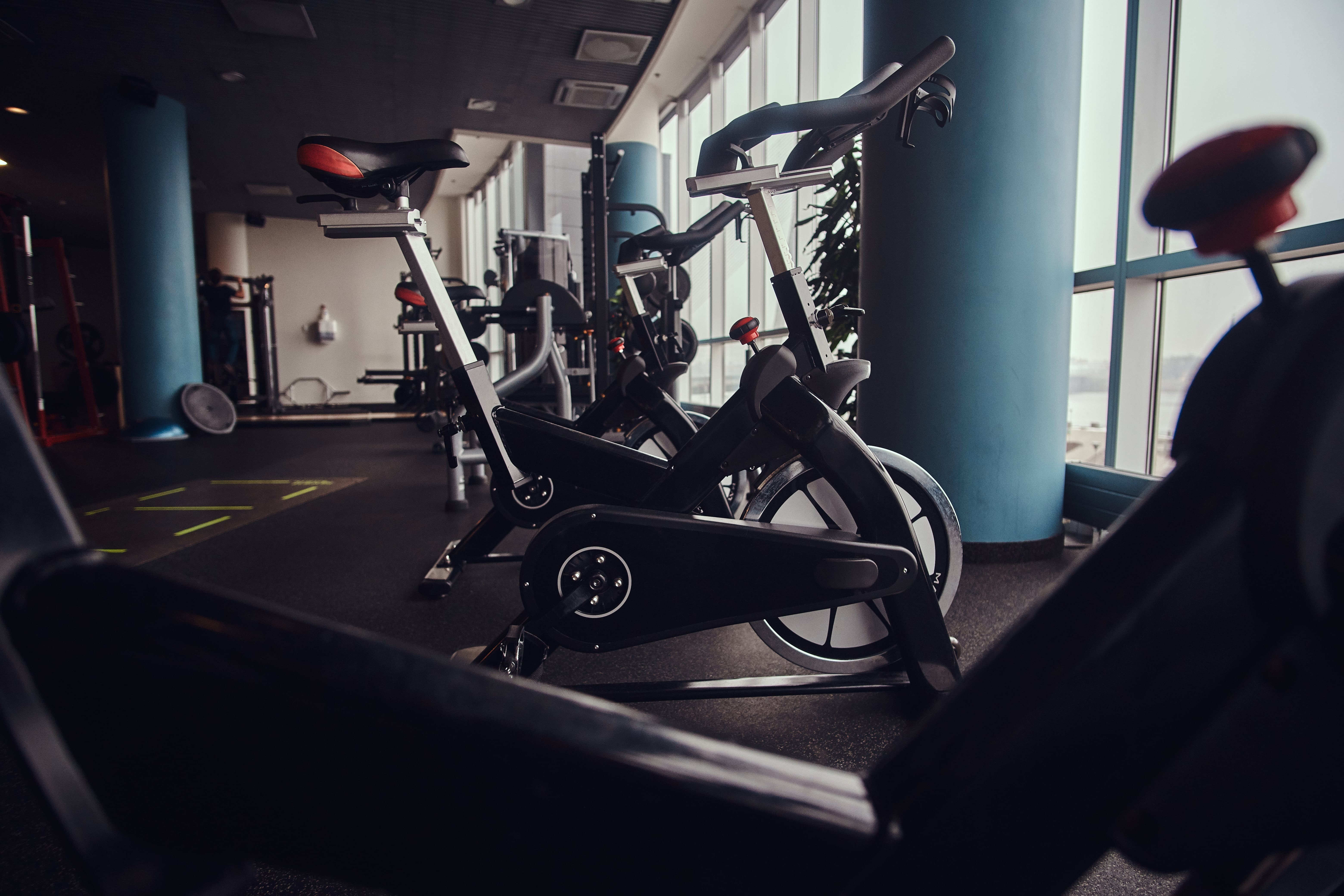 Kinds Of Exercise BicyclesNot all stationary bicycles are produced equivalent. Different styles cater to different fitness objectives, body types, and convenience choices. Comprehending the three primary classifications is necessary for making a notified purchase.Bike TypeFinest Suited ForSecret CharacteristicsConvenience LevelUpright BikeConventional cyclists, basic fitness, casual ridersMimics a conventional road bike; upright torso posture; engages core.Moderate; needs core stability.Recumbent BikeElders, rehabilitation patients, neck and back pain sufferers, novicesLaid-back reclining position; big padded seat; lumbar support; forward pedals.High; excellent back and joint assistance.Indoor Cycle (Spin Bike)High-intensity interval training (HIIT), passionate bicyclists, classesHeavy weighted flywheel; adjustable handlebars; forward-leaning aggressive posture.Low to Moderate; focused on efficiency over luxurious convenience.Upright BicyclesThe upright bike closely imitates the feel of riding a basic outdoor bicycle. The user sits vertically over the pedals, which needs moderate core engagement to keep posture. These bikes often feature a variety of built-in digital programs, heart rate screens, and resistance levels.Recumbent BicyclesRecumbent bikes are developed for maximum convenience and accessibility. The user beings in a bucket-style seat geared up with a backrest, positioned behind the pedals rather than directly above them. This design distributes body weight over a bigger area, making it a favorite for people with persistent lower back pain or those going through physical treatment.Indoor Cycles (Spin Bikes)Designed for intensity, indoor cycles include a heavy mechanical or magnetic flywheel that imitates the momentum of a moving bicycle. They enable riders to stand up and pedal, mimicing hill climbs and runs. These bikes are frequently utilized in spin studios and are the go-to option for serious professional athletes aiming to build leg exerciser power and cardiovascular stamina.Resistance Systems: Friction vs. MagneticWhen looking for an exercise bicycle, purchasers will come across two main kinds of resistance mechanisms. The resistance system dictates how hard it is to press the pedals and greatly influences the feel and maintenance requirements of the device.
- Friction Resistance: Utilizes felt or leather pads that press directly against the spinning flywheel.
- Pros: Generally found on more budget friendly models; offers limitless adjustability.
- Cons: Pads use out over time and require replacement; can be noisy; needs occasional manual calibration.
- Magnetic Resistance: Uses magnets placed near the flywheel. By adjusting the console, the magnets move more detailed to or even more from the wheel, producing a magnetic field that withstands motion.
- Pros: Whisper-quiet; virtually maintenance-free because there is no physical friction; extremely smooth pedal stroke.
- Cons: Usually found on higher-priced models; requires a source of power (plug-in or self-generated through pedaling) to adjust resistance digitally.
How to Choose the Right Exercise BicycleWith many designs readily available on the marketplace, picking the Best exercise bicycle stationary bicycle can feel overwhelming. Buyers must evaluate a number of crucial requirements before deciding:
- Assess Fitness Goals: Determine whether the goal is gentle rehabilitation, weight-loss, high-intensity training, or casual spinning while viewing tv.
- Evaluate Available Space: Measure the designated exercise area. While some bikes fold up for storage, others have a big, permanent footprint.
- Inspect User Weight and Height Limits: Manufacturers specify maximum weight capabilities. Guarantee the bike can conveniently and securely accommodate all designated users, and look for adjustable seats and handlebars to fit different heights.
- Think About Technology and Connectivity: Modern bikes vary from basic LCD screens displaying basic metrics (time, speed, distance, calories) to HD touchscreens with integrated streaming subscriptions (such as Peloton, iFit, or Zwift). Decide whether interactive classes are an encouraging factor or an unneeded expense.
- Set a Budget: Prices range from under ₤ 200 for basic entry-level models to upwards of ₤ 2,000 for commercial-grade wise bikes. Develop a practical budget that lines up with desired features.
Tips for Safe and Effective WorkoutsTo enjoy the maximum take advantage of an exercise bicycle while preventing injury, riders must adhere to a few foundational finest practices:
- Prioritize Proper Bike Setup:
- Seat Height: When the pedal is at the most affordable point of the stroke, there should be a minor bend (about 25 to 30 degrees) in the knee.
- Handlebar Position: Handlebars need to be gotten used to a height that prevents extreme hunching of the back and avoids putting too much pressure on the wrists and shoulders.
- Incorporate Variety: Avoid dullness and plateaus by mixing up workout styles. Combine steady-state endurance rides with High-Intensity Interval Training (HIIT), where durations of optimum effort alternate with active recovery.
- Maintain Hydration: Indoor biking induces substantial sweating due to the fact that outdoor airflow is absent. Keep a water bottle within arm’s reach and sip frequently throughout the session.
- Listen to the Body: Muscle tiredness is normal, but sharp joint discomfort is not. If discomfort emerges in the knees or lower back, re-evaluate the bike exercise home‘s modifications or seek advice from a physical fitness specialist.
The exercise bicycle remains an ageless, extremely efficient tool for attaining physical conditioning, cardiovascular health, and psychological well-being. Whether selecting the plush support of a recumbent bike, the familiar feel of an upright design, or the sweat-inducing strength of an indoor spin cycle, fixed biking adapts to fit almost any way of life. By comprehending individual physical fitness objectives, evaluating devices features, and keeping proper form, riders can start a gratifying journey toward a healthier, more active life– one pedal stroke at a time.