
 Demi Vine gevraagd, 6 dagen geleden
 The Ultimate Guide to the Exercise Cycle: Pedaling Toward Better HealthIn an era where convenience frequently trumps physical activity, finding a reliable, available method to stay fit is more vital than ever. Enter the exercise bikes home cycle– an ageless piece of physical fitness devices that has progressed from a simple stationary cycle for exercise bicycle into a state-of-the-art powerhouse for cardiovascular health. Whether one is aiming to shed a few pounds, train for a marathon, or merely keep mobility during inclement weather condition, the mini exercise bike cycle remains a top-tier option. This extensive guide checks out the advantages, types, and best practices for integrating an exercise cycle into an everyday regimen.Why Choose an Exercise Cycle?For years, physical fitness lovers have turned to fixed bikes for a dependable workout. However what makes it enduringly popular? The response lies in its special combination of availability, effectiveness, and low-impact motion. Unlike working on hard pavement, which can put tremendous tension on the knees, ankles, and hips, biking uses a smooth, circular motion that cushions the joints. This makes the exercise cycle ideal for a large demographic– from elite athletes recovering from injuries to older adults seeking to remain active.Key Benefits of Indoor Cycling:
- Cardiovascular Endurance: Regular riding strengthens the heart and lungs, improving the body’s capability to efficiently transfer oxygen.
- Calorie Burn: Depending on intensity and body weight, a vigorous session can burn anywhere from 400 to 600 calories per hour.
- Lower Body Strength: Pedaling targets the quadriceps, hamstrings, glutes, and calves. Adding resistance builds muscular endurance and tone.
- Benefit: Weather, traffic, and darkness are no longer barriers to getting a terrific exercise cycle for home.
- Mental Health Benefits: Like most aerobic workouts, cycling triggers the release of endorphins, frequently referred to as “feel-good” hormones, which help lower tension and anxiety.
Kinds Of Exercise CyclesNot all stationary bicycles are developed equal. Choosing the best one depends greatly on private fitness objectives, physical area, and budget. Here is a breakdown of the three main types of exercise cycles offered today:1. Upright BikesThe upright bike carefully simulates the feel of a standard outside bicycle home exercise. The rider sits vertically over the pedals, which needs core engagement to maintain posture.
- Best For: General fitness, high-intensity period training (HIIT), and users who prefer a standard cycling posture.
- Pros: Compact footprint, engages core muscles, versatile.
- Cons: Can cause neck or lower back pressure throughout long sessions for newbies.
2. Recumbent BikesRecumbent bikes include a larger, bucket-style seat with a backrest, positioned behind the pedals rather than above them. This design disperses body weight more uniformly.
- Best For: Individuals with lower pain in the back, older adults, and those looking for joint-friendly convenience.
- Pros: Excellent lower back assistance, very comfy, easy to install and dismount.
- Cons: Takes up more floor space; usually offers less upper-body and core engagement.
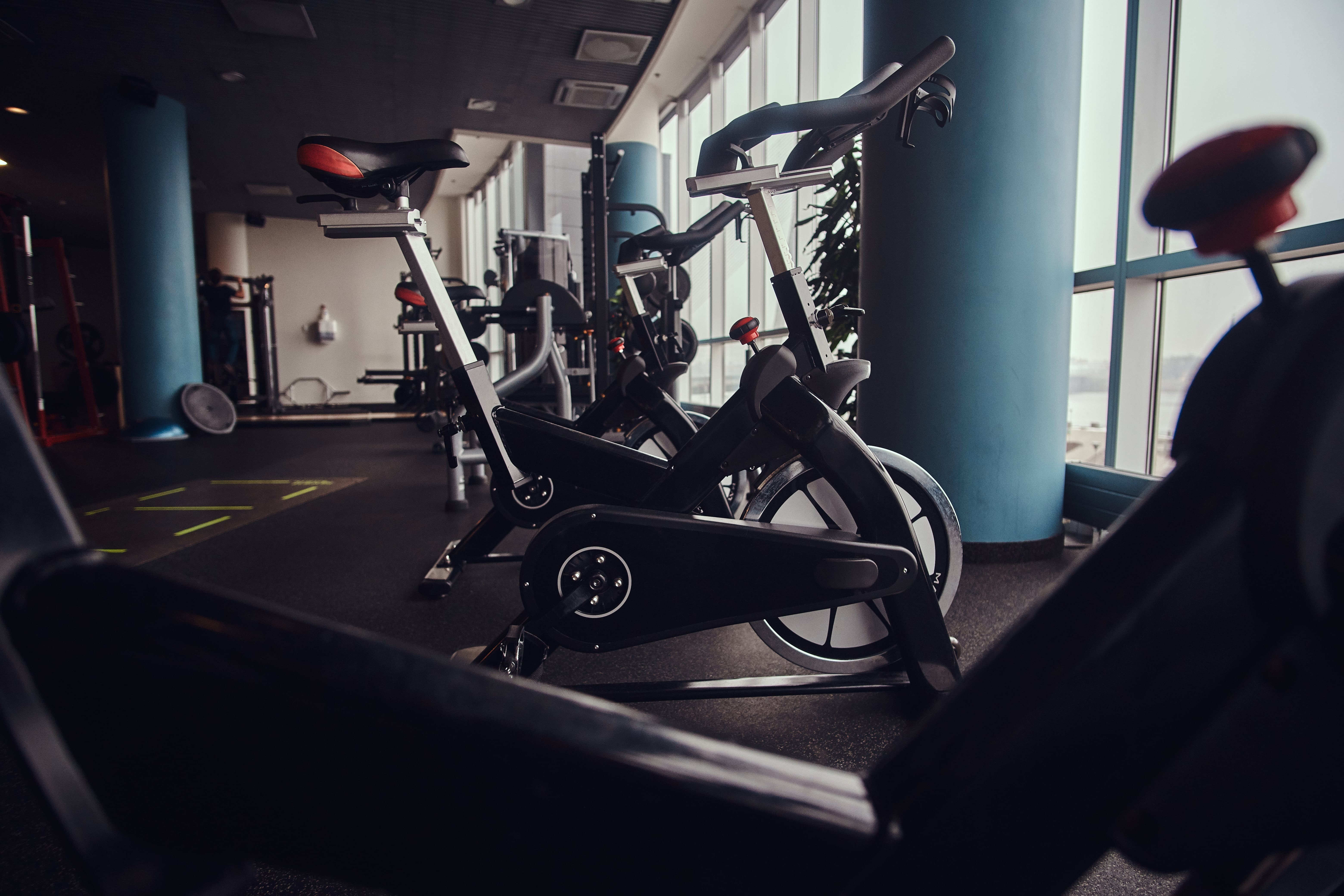
3. Indoor Studio Cycles (Spin Bikes)These bikes are constructed to duplicate road bikes. They feature heavy weighted flywheels that create a smooth, momentum-driven trip, and they allow the rider to stand up out of the saddle for hill climbs up.
- Best For: Serious bicyclists, spinning class lovers, and high-intensity workouts.
- Pros: Highly long lasting, permits out-of-the-saddle riding, extremely adjustable resistance.
- Cons: Can be uncomfortable at first; generally requires biking shoes with cleats for the best experience.
Comparing the Options: At-a-GlanceTo assist imagine the differences, the following table compares the three main kinds of exercise cycles based upon essential user elements:FeatureUpright BikeRecumbent BikeStudio Cycle (Spin)Primary FocusGeneral FitnessConvenience & & RehabHigh-Intensity TrainingBack SupportNoneHigh/Full SupportNoneFootprintLittleMedium to LargeSmall to MediumInfluence on JointsLowExtremely LowLowCore EngagementModerateLowHighIdeal UserCasual to IntermediateBeginners/ Joint IssuesIntermediate to AdvancedOptimizing Results: Best Practices for Your WorkoutSimply hopping onto an Exercise cycle For home cycle and pedaling mindlessly will yield outcomes, but following a strategic method transforms an excellent workout into a terrific one. 1. Dial in the Proper FitInjury and discomfort typically originate from bad bike setup.
- Seat Height: When the pedal is at its floor, there need to be a small bend (about 25-30 degrees) in the knee.
- Handlebar Position: Handlebars should be at a height that enables a comfy reach without rounding the lower back.
2. Incorporate Interval TrainingMonotonous pedaling at a steady pace can lead to monotony and a plateau in physical fitness. Rather, try High-Intensity Interval Training (HIIT):
- Warm up at a moderate pace for 5 minutes.
- Press difficult (high resistance or high speed) for 30 to 60 seconds.
- Recuperate at a light speed for 1 to 2 minutes.
- Repeat this cycle for 20 to 30 minutes, followed by a cool-down.
3. Track MetricsModern exercise cycles come equipped with digital consoles or app connection. Watching on crucial metrics can keep inspiration high:
- RPM (Revolutions Per Minute): Measures pedaling speed.
- Resistance Level: Reflects the problem of the terrain.
- Heart Rate: Ensures the exercise remains within the target fat-burning or cardio zones.
Safety and Maintenance TipsWhile the exercise cycle is relatively safe, practicing great practices guarantees longevity for both the maker and the body.
- Stay Hydrated: Indoor biking causes heavy sweating. Constantly keep a water bottle within arm’s reach.
- Clean Down the Equipment: Sweat is destructive. Clean the frame, handlebars, and seat after every session to prevent rust and deterioration.
- Listen to Your Body: Mild muscle fatigue is typical, however sharp joint discomfort is a sign to stop, examine your form, or speak with a professional.
The exercise cycle is a classic fitness staple for great reason. It offers an effective, flexible, and low-impact course to better cardiovascular health, muscular strength, and overall wellness. By understanding the various types of bikes available and carrying out clever exercise methods, anyone can turn a basic stationary bike into an effective tool for lifelong health. So, change the seat, cue up a preferred playlist, and start pedaling toward a healthier tomorrow.