
 Juana Bernard gevraagd, 7 maanden geleden
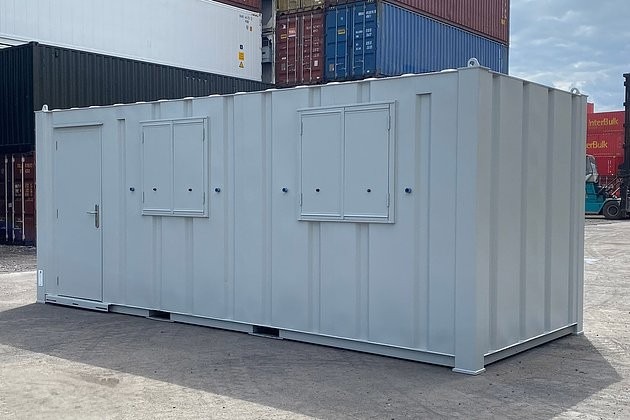 A Comprehensive Guide to Buying Shipping ContainersIn recent years, Buy Shipping Containers (git.sskuaixiu.Com) containers have emerged as a flexible service for different requirements ranging from storage and transport to ingenious housing and business endeavors. The growing need for these containers has actually led to a rise in the market, making it important for possible buyers to understand the nuances of purchasing a shipping container. This article aims to offer an informative guide that covers whatever from types and prices to suggestions for buying shipping containers.What Are Shipping Containers?Shipping containers, typically made from steel, are big, standardized metal boxes created for the transportation of products throughout oceans. They are available in different sizes and conditions, making them adaptable for many applications beyond their original purpose, including:
- Storage Solutions: Securely keeping items, devices, and inventory.
- Modular Homes: Creating unique and cost effective housing.
- Pop-Up Shops: Setting up mobile retail places or food stalls.
- Workshops or Offices: Converting into functional offices.
Kinds Of Shipping ContainersWhen thinking about a purchase, it’s essential to comprehend the different types of shipping containers readily available. Here’s a breakdown:Type of ContainerDescriptionCommon UsesRequirement Dry ContainerThe most typical type, used for basic Cargo Containers. Offered in 20ft and 40ft sizes.Storage, transportation, modular homesRefrigerated ContainerInsulated containers Used Shipping Containers for carrying disposable items.Food transport, pharmaceuticalsOpen Top ContainerContainers with a detachable top, useful for high or extra-large cargo.Heavy machinery or bulk productsFlat Rack ContainerFlat containers without any sides, developed for heavy or bulky cargo.Vehicles, large devicesHigh Cube ContainerSimilar to standard containers but with an additional foot of height.Storage of taller productsAspects to Consider When Buying Shipping Containers1. Function of PurchaseComprehending the factor for acquiring a container is important. Are you looking for a storage service, a portable office, or a base for a creative project? Your purpose will affect your choice of type and size.2. Condition of the ContainerContainers are offered in numerous conditions, and the rate can vary substantially. Common conditions consist of:
- New (one-trip): Minimal wear, generally more expensive.
- Used (cargo worthy): Good condition but has been used for Shipping Container Dimensions.
- As-is: Containers in rough condition, typically sold for less expensive prices, but might need repair work.
3. Size OptionsShipping Container Modification containers normally come in 2 basic sizes: 20-foot and 40-foot. Depending upon your needs, you may also consider 10-foot options or bigger systems. Examine your area and storage requirements thoroughly.4. Delivery and PickupThink about the logistics of getting the container to your location. Various providers have various policies relating to delivery charges and logistics. It’s vital to factor this into your total spending plan.5. Local RegulationsBefore purchasing, examine local zoning laws and guidelines. Some locations may have limitations on utilizing shipping containers for storage or habitation.6. Cost ComparisonShipping container prices can vary substantially based upon condition, size, and area. Carrying out a market analysis will help you discover a fair cost.Rates OverviewHere’s a prices table showing average costs for various kinds of shipping containers:Type of ContainerSizeAverage Price (GBP)Standard Dry20ft₤ 2,000 – ₤ 4,000Requirement Dry40ft₤ 3,000 – ₤ 6,000Refrigerated20ft₤ 5,000 – ₤ 8,000Refrigerated40ft₤ 8,000 – ₤ 15,000Open Top20ft₤ 3,000 – ₤ 5,000Flat Rack20ft₤ 2,500 – ₤ 4,500Keep in mind: Prices might vary based upon location, condition, and seller.Actions to Buy a Shipping Container
- Research study Suppliers: Look for credible suppliers in your location or online. Read reviews and inspect ratings.
- Assess Needs: Define your function, needed size, and condition.
- Demand Quotes: Contact multiple suppliers for prices and accessibility.
- Inspect the Container: If possible, physically examine the container before settling the purchase to examine for any damages or problems.
- Work out Terms: Discuss payment approaches, delivery alternatives, and after-sale services.
- Complete the Purchase: Finalize the offer with an agreement that details all terms.
Frequently Asked Questions (FAQs)Q1: Where can I buy shipping containers?You can acquire shipping containers from specialized dealerships or suppliers, online markets, or auction websites. Furthermore, some shipping business offer their used containers.Q2: What is the lifespan of a shipping container?With proper maintenance, shipping containers can last for 25 years or more. Factors such as rust, wear and tear, and incorrect use can affect durability.Q3: Can I customize a shipping container?Yes, lots of people tailor shipping containers for living, working, or storage. Popular modifications include adding windows, doors, and insulation.Q4: Do shipping containers require permits?This varies by area. It’s necessary to talk to regional authorities concerning zoning guidelines before putting a container on your residential or commercial property.Q5: Can I rent a shipping container rather of buying?Yes, many providers offer rental options if you require temporary storage solutions.Acquiring a Shipping Container Supplier container can be a practical financial investment for various purposes, from storage to imaginative jobs. By understanding the kinds of containers offered, assessing your requirements, and following the actions laid out above, buyers can make informed choices that suit their requirements. Whether you’re a business owner in need of storage or an innovative seeking to build a home, shipping containers present an adaptable and sustainable option.