
 Carl Arispe gevraagd, 2 weken geleden
The Ultimate Guide to Exercise Bikes: Pedaling Your Way to Better HealthIn a period where benefit often defeats fitness center subscriptions, finding reliable methods to stay fit in your home has actually never ever been more crucial. Amongst the myriad of home exercise bikes fitness devices offered, the exercise bike stays a timeless staple. Whether people are seeking to shed a couple of pounds, train for a marathon, or merely maintain cardiovascular health while enjoying their preferred tv show, a stationary bicycle uses a low-impact, high-efficiency solution. Navigating the world of stationary bicycles can feel overwhelming with many models, resistance types, and digital features flooding the market. This extensive guide checks out whatever one requires to understand about stationary bicycle, helping fitness lovers and beginners alike make an educated investment.The Benefits of Riding an Exercise BikeBefore diving into the types of bikes offered, it is necessary to understand why the stationary bicycle is such a popular component in home fitness centers. Unlike running, which puts a significant quantity of stress on the joints, cycling is a low-impact exercise that is mild on the knees, hips, and ankles. Secret Health Benefits:
- Cardiovascular Endurance: Regular biking gets the heart pumping, enhancing blood flow, reducing blood pressure, and reducing the risk of heart problem.
- Lower Body Strength: Pedaling engages the quadriceps, hamstrings, calves, and glutes. Increasing resistance constructs muscle mass and tones the lower body.
- Weight Management: An energetic biking session can burn between 400 to 600 calories per hour, making it an exceptional tool for calorie deficit and weight reduction.
- Mental Health Benefits: Like all aerobic exercises, biking sets off the release of endorphins– the body’s natural mood boosters– which help in reducing tension and anxiety.
Types of Exercise BikesNot all exercise bikes are produced equal. Various styles deal with different fitness goals, physique, and convenience choices. Normally, stationary bicycle fall under three primary classifications: Upright, Recumbent, and Spin (Indoor Cycling) bikes.1. Upright BikesUpright bikes closely imitate the feel of a standard outside bicycle. The rider sits upright, engaging the core muscles to maintain posture. These bikes have a smaller sized footprint, making them ideal for smaller sized apartment or condos or home health clubs with limited area.2. Recumbent BikesRecumbent bikes include a bigger, bucket-style seat with a backrest, and the pedals are positioned out in front of the rider instead of beneath. This design provides extraordinary lumbar assistance, making recumbent bikes the premier option for people with back discomfort, joint issues, or those recovering from injuries. 3. Spin Bikes (Indoor Cycles)Designed to replicate roadway cycling, spin bikes feature a heavy flywheel and permit the rider to stand and pedal, replicating hill climbs up and runs. They are generally used for high-intensity interval training (HIIT) and immersive cycling classes.Comparing the Options: Upright vs. Recumbent vs. SpinSelecting the right bike exercise home depends completely on individual fitness goals, physical constraints, and space schedule. The following table breaks down the key differences between the three primary types of stationary bicycle.FeatureUpright BikeRecumbent BikeSpin bike home exercise (Indoor Cycle)Primary FocusGeneral physical fitness & & cardio Comfort, rehabilitation, & low effectHigh-intensity training & & enduranceBody PositionUpright, slight forward leanReclined with back supportAggressive forward leanMuscle EngagementLegs, core, shouldersMostly lower body (less core)Legs, core, upper body (throughout climbs up)Joint ImpactLowReally LowLow to ModerateFootprintCompactLargerCompact to MediumBest ForCasual exercisers, multi-taskersElders, neck and back pain patients, beginnersBicyclists, professional athletes, high-calorie burnersComprehending Resistance MechanismsThe resistance system determines how smooth the ride feels, just how much upkeep the bike requires, and just how much noise it produces. There are four main kinds of resistance discovered in contemporary exercise bikes:
- Friction Resistance: Uses felt or leather pads that press against the flywheel. It provides infinite resistance levels and is really budget friendly, but the pads ultimately wear and require replacement.
- Magnetic Resistance: Uses magnets positioned near the flywheel. By changing the distance in between the magnets and the wheel, resistance is altered. This system is virtually silent, requires absolutely no upkeep, and provides an exceptionally smooth ride.
- Air Resistance: Uses a fan as the flywheel. The more difficult the user pedals, the more air the fan relocations, developing natural resistance. While great for intense workouts, these bikes can be rather loud.
- Electromagnetic Resistance: Utilizes an electromagnetic field to create resistance. Typically found on high-end, programmable wise bikes, this system permits precise digital modifications and automated exercise changes.
Important Features to Look ForWhen looking for an exercise bike, purchasers need to consider a number of crucial features to ensure they get the finest worth for their money:
- Adjustability: An appropriate fit is essential for preventing injury and taking full advantage of convenience. Look for a bike with an adjustable seat (both vertically and horizontally) and adjustable handlebars.
- Console and Display: At a minimum, the console must track time, speed, range, and calories burned. Modern bikes typically feature LCD touchscreens with Bluetooth connectivity, streaming apps, and virtual trip environments.
- Weight Capacity: Ensure the bike’s tough frame can easily support the user’s weight. Higher-end designs usually offer higher weight limitations and higher overall stability.
- Pedals: Look for pedals with toe cages or straps to keep feet secure. Advanced riders may choose dual-sided pedals that accommodate cycling cleats (SPD compatibility).
Tips for Maximizing an Exercise Bike WorkoutOwning a stationary bicycle is only half the battle; utilizing it effectively yields the very best home exercise equipment outcomes. Whether riding for 20 minutes a day or an hour on the weekends, consider the following ideas to enhance every session: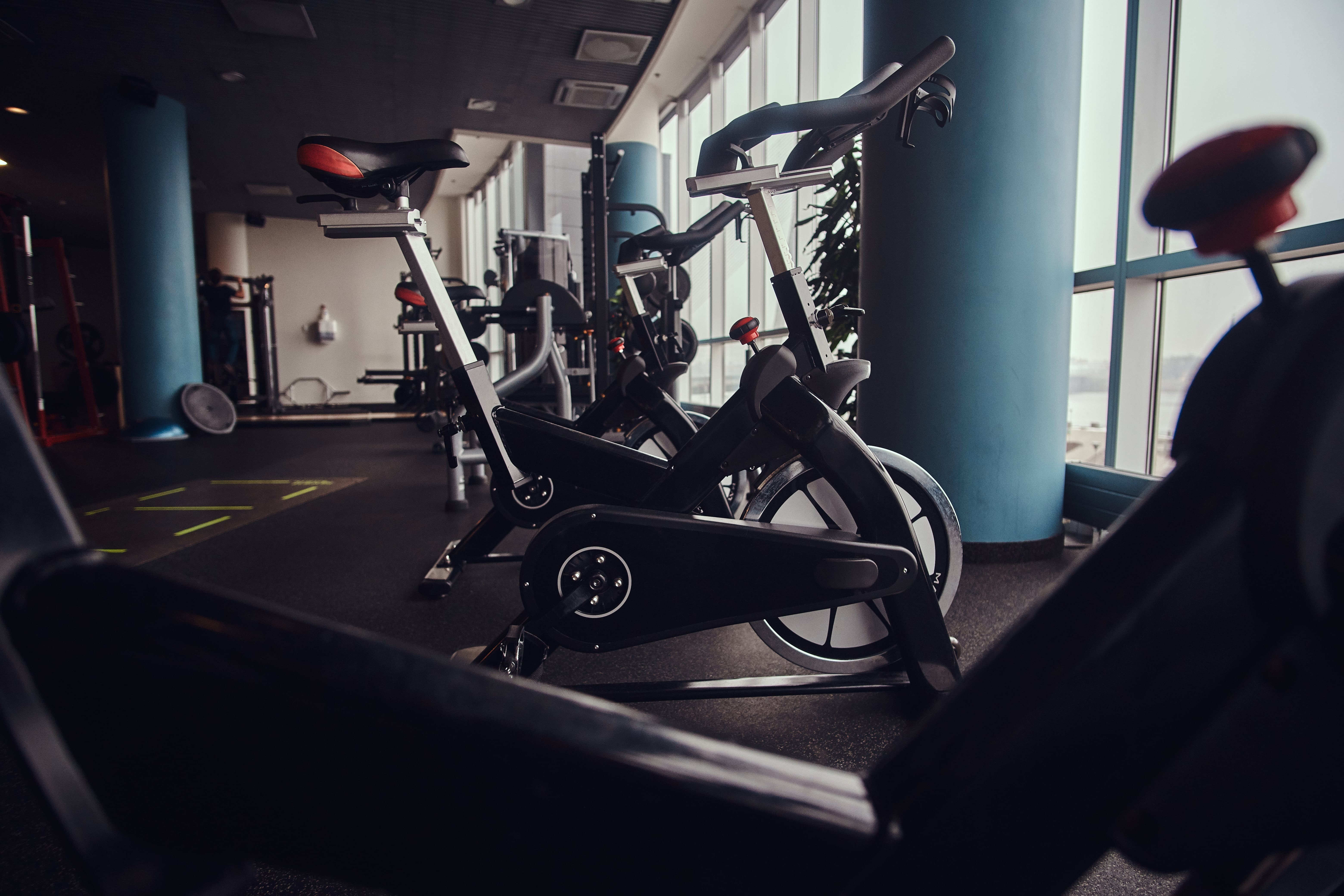
- Maintain Proper Posture: Keep the shoulders relaxed, prevent locking the elbows, and engage the core. Make sure the knee has a small bend (about a 25-to-30-degree angle) at the bottom of the pedal stroke.
- Include Interval Training: Alternating between high-intensity sprints and low-recovery cruising burns more calories and improves cardiovascular endurance faster than maintaining a consistent pace throughout the whole top exercise bikes.
- Stay Hydrated: Indoor cycling induces heavy sweating. Constantly keep a water bottle close by to maintain peak physical performance.
- Blend the Routine: Use pre-programmed workouts, resistance changes, or follow together with online cycling classes to avoid good exercise Bike monotony.
The exercise bike stays a gold standard in home physical fitness for great reason. Its flexibility, low-impact nature, and capability to accommodate all fitness levels make it a wise investment for long-term health and wellness. By understanding the differences between upright, recumbent, and spin bikes– and considering aspects like resistance and console features– people can discover the ideal machine to suit their lifestyle. Whether pedaling towards a much healthier heart, dropping a couple of pounds, or merely looking for a trusted method to stay active indoors, the journey to much better health is simply a pedal stroke away.