
 Marissa Blamey gevraagd, 1 week geleden
The Rise of Shipping Container Housing: A Sustainable Solution for Modern LivingIn recent years, shipping container housing has become a popular alternative to traditional home construction. With the fast development of metropolitan locations, housing shortages, and an increased awareness of sustainability, shipping containers have been repurposed into innovative domestic spaces. This post will check out the advantages, obstacles, design possibilities, and frequently asked concerns surrounding shipping container homes.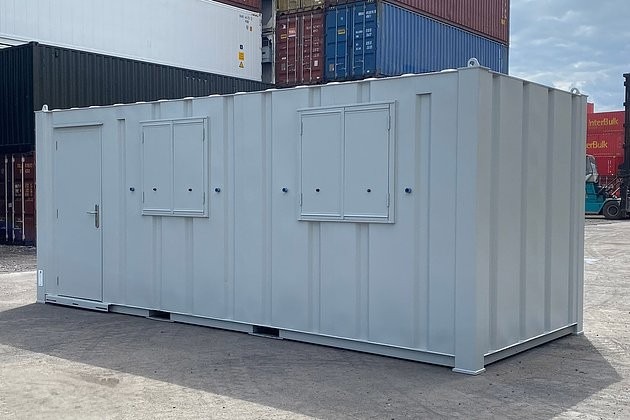 What is Shipping Container Housing?Shipping Container Cost container housing includes transforming Buy Used Shipping Containers shipping containers into habitable spaces. These containers, generally made of corten Steel Shipping Containers, are highly resilient and can work as a useful structure for homes. The pattern is being accepted worldwide, especially in metropolitan settings, where land is minimal and costs are increasing.Benefits of Shipping Container HousingAdvantageDescriptionAffordabilityRepurposing shipping containers can significantly minimize construction costs.SustainabilityUsing recycled materials contributes to minimizing waste and ecological impact.ResilienceShipping containers are designed to withstand severe weather condition conditions, making them long-lasting.MovementContainers can be easily transported, enabling flexible living arrangements.Quick ConstructionThese homes can be integrated in a fraction of the time compared to standard housing.Modular DesignContainers can be integrated and stacked to produce special architectural styles.Obstacles of Shipping Container HousingDespite their numerous benefits, there are obstacles connected with shipping container housing.ChallengeDescriptionInsulation IssuesContainers can get incredibly hot in the summertime and cold in winter season without proper insulation.Building regulationsRegional guidelines may limit making use of 40ft Shipping Container containers for property purposes.Funding DifficultiesSecuring a home loan for unconventional homes can be difficult.Restricted SpaceBasic shipping containers can provide restricted living space, requiring smart design solutions.Modification CostsWhile containers are budget friendly at first, modification can cause increased expenses.Design PossibilitiesShipping containers offer a distinct canvas for architects and designers. Here are a couple of popular design concepts:
- Single-Container Homes: A simple method where a single shipping container works as a compact home.
- Multi-Container Homes: Combining several containers to develop bigger, more complex structures that can help with numerous rooms and living locations.
- Container Modules: Creating modular units that can be stacked or set up to form special styles while permitting for future growths.
- Open-Concept Layouts: Using fewer walls inside the container to produce spacious, open living locations that feel larger than they are.
- Vertical Gardens: Incorporating green spaces outside and inside the home, enhancing the visual appeal and improving air quality.
Frequently Asked Questions About Shipping Container Housing1. Are shipping container homes safe to reside in?Yes, shipping container homes can be safe to live in if properly designed and developed. It’s important to follow local building regulations and regulations.2. The length of time do shipping container homes last?With correct maintenance, shipping container homes can last for 25 years or more. The sturdiness of the steel containers assists safeguard against environmental elements.3. Can shipping containers be stacked?Yes, shipping containers can be stacked, permitting the creation of multi-story homes. However, structural considerations need to be made during the design procedure.4. What are the insulation requirements for shipping container homes?Insulation is essential in shipping container homes to manage indoor temperature levels. Different insulation products such as spray foam, rigid foam, or structural insulated panels can be used.5. How much do shipping container homes cost?The cost of a shipping container home can vary extensively based on factors such as area, design, and personalization. On average, a standard container home can range from ₤ 10,000 to ₤ 50,000, leaving out land expenses.Shipping container housing represents an innovative approach to fixing housing scarcities and promoting sustainable living. With their cost, sturdiness, and distinct design capacity, these homes are likely to remain a viable alternative for numerous individuals and families. While difficulties exist, such as insulation and regulatory issues, the advantages far outweigh the disadvantages for numerous. As more individuals welcome this environment-friendly way of life, shipping container homes could play an important function in the future of housing. Whether as a main home, a trip getaway, or an alternative service for those in need of budget-friendly housing, shipping container homes are redefining modern-day living. The possibilities are limitless, and with growing interest in sustainability, this pattern is here to stay.