
 Christal Ahuia Ova gevraagd, 3 maanden geleden
The Versatility of Wooden Pallets: A Comprehensive GuideWooden pallets are the unsung heroes of shipping and logistics. Often ignored, these simple wooden structures play a crucial role in ensuring the smooth transportation of products around the world. As markets significantly concentrate on sustainability, the value of wooden pallets has actually surged– both for their usefulness and their environment-friendly residential or commercial properties. In this useful blog post, we will check out the various kinds of wooden pallets, their uses, advantages, care suggestions, and even dig into the misconceptions and truths surrounding these wooden marvels.Types of Wooden PalletsProviding a robust structure that can handle various loads, wooden pallets can be found in different styles and specifications. Here is a table highlighting the most common kinds of wooden Pallets Distributor and their features.Kind Of Wooden PalletDescriptionLoad CapacityPerfect UseStringer PalletConstructed with three or more parallel stringers supporting deckboards, making it ideal for heavy loads.2,000– 6,000 lbsGeneral shipping and storage (heavy items)Block PalletFeatures vertical blocks connecting the Top Wooden Pallets and bottom deckboards, enabling entry on all four sides.2,500– 4,000 poundsGrocery and retail sectors (forklift accessibility)Double-Face PalletBoth sides have deckboards, giving it extra sturdiness.2,500– 4,000 poundsRecyclable transport of goodsSingle-Face PalletAn easier design with deckboards on one side, mainly used for lightweight items.1,000– 2,500 lbsDisplaying products in retail or lightweight shippingEuro PalletAdheres to European basic sizes and policies, recognised for its sturdiness and reparability.1,500– 2,500 poundsInternational shipping and standardizationUsage Across IndustriesWooden pallets find applications across a wide range of industries, showcasing their versatility. Here’s a list of typical usages:
- Shipping and Logistics: Efficiently moving a variety of items, from electronic devices to furnishings.
- Retail Displays: Providing an economical, rustic display for merchandise in shops.
- Furnishings and Home Decor: Crafting furnishings pieces like coffee tables, bed frames, and shelving.
- Agriculture: Transporting farming items like fruits and veggies.
- Recycling and Waste Management: Reducing waste by recycling older pallets for different purposes.
Advantages of Wooden PalletsThe benefits of wooden pallets are comprehensive and add to their appeal in different sectors. Below is a list of benefits:
- Sustainability: Made from renewable resources, wooden pallets can be recycled or repurposed, reducing land fill waste.
- Cost-Effectiveness: Typically more economical than plastic or metal options, wooden pallets provide a cost-effective option.
- Strength and Durability: Wooden pallets can handle heavy loads, guaranteeing the safe transport of items without damage.
- Personalization: Easily modified to satisfy specific requirements, consisting of various sizes and setups.
- Aesthetic Appeal: Their natural appearance makes them a preferred for DIY jobs and rustic decoration.
Caring for Wooden PalletsTo maximize the lifespan of wooden pallets, proper care and maintenance are vital. Here are some helpful tips:
- Regular Inspections: Routinely look for indications of damage or wear, such as splinters, fractures, or broken boards.
- Prevent Overloading: Adhere to weight limits to prevent structural failure and extend durability.
- Store Properly: Keep pallets dry and off the ground to prevent wetness absorption and rot.
- Tidy Regularly: Periodically tidy pallets to eliminate dirt and debris, especially if they handled food.
- Repair work as Needed: Fix damaged boards or loose nails promptly to guarantee their functionality.
Common Myths About Wooden PalletsAmidst their effectiveness, numerous myths continue about wooden pallets that can result in confusion. Here are a few typical mistaken beliefs debunked:
- Myth: Wooden Pallets Are Unsafe for Food Use
- Fact: When properly dealt with and maintained, wood pallets can be used securely in food transportation. Try to find heat-treated (HT) pallets that satisfy safe standards.
- Myth: All Pallets Are the Same
- Truth: There are different types and styles of wooden pallets customized for particular uses, making them far from uniform.
- Misconception: Wooden Pallets Are Not Eco-Friendly
- Fact: Wood is a sustainable resource, and recycling wood pallets decreases environmental impact.
FAQ About Wooden PalletsQ: How long do wooden pallets normally last?A: With
proper care, wooden pallets can last several years. Elements affecting longevity include material quality, use, and environmental conditions. Q: Can wooden pallets be used outdoors?A: Yes,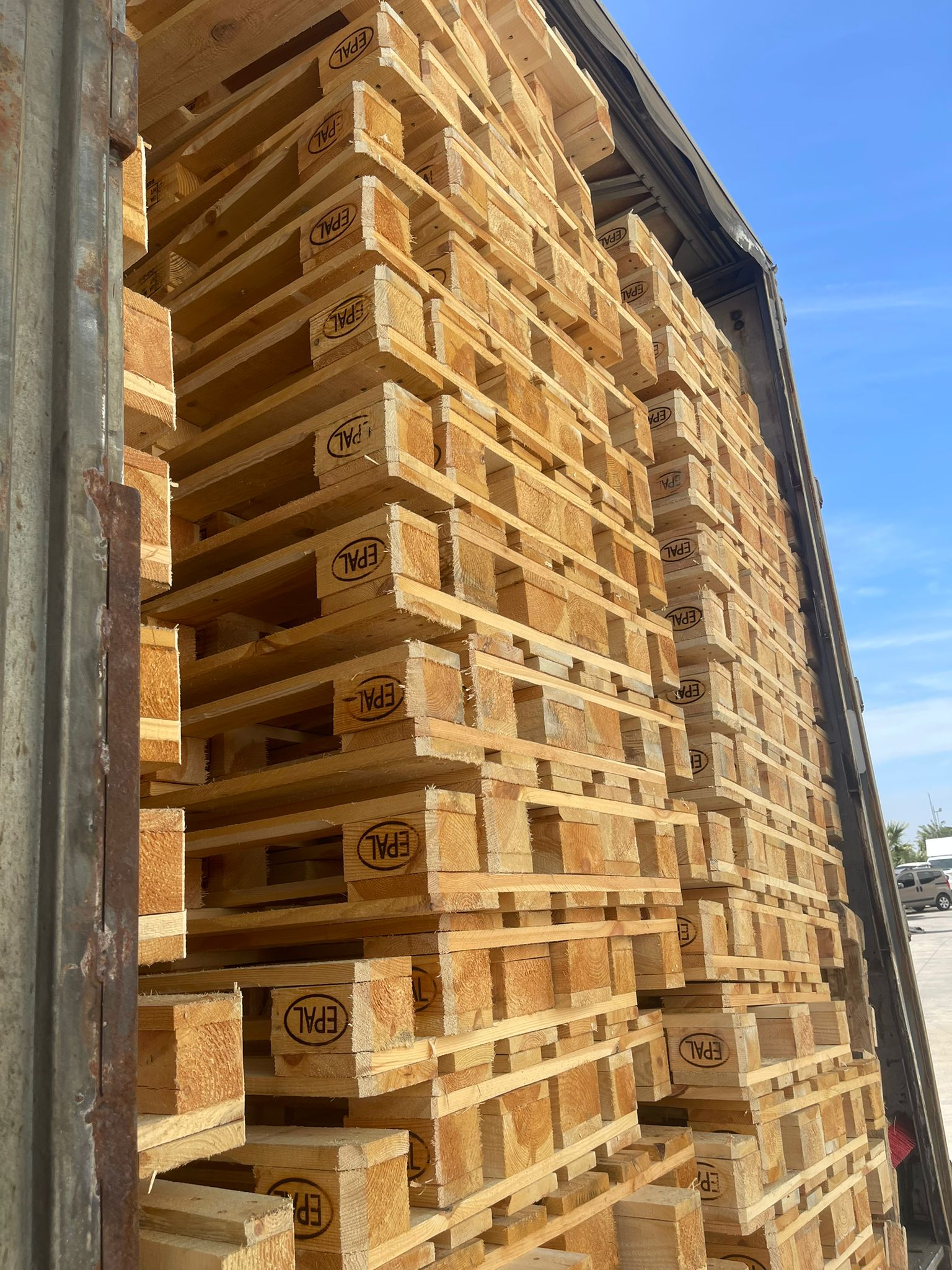 but it’s best to utilize cured Industrial Wooden Pallets pallets specifically created for outdoor use to avoid rot and decay. Q: How must I deal with old wooden pallets?A: Wooden pallets can frequently be recycled orrepurposed. Some communities have recycling programs for pallets,while others permit safe disposal in land fills. Q: Are wooden pallets safe for transferring sensitive materials?A: Yes, as long as they are correctly cleaned and sterilized, wooden pallets can be used to carry sensitive products, consisting of food and electronics. Buy Wooden Pallets pallets, often eclipsed by more recent technologies, continue to be essential across numerous markets. Their flexibility, sustainability, and cost-effectiveness make sure that they remain a preferred choice in logistics and transport. Understanding the types of wooden pallets, their benefits, and correct care can help businesses optimize their operations while embracing eco-friendly practices. Whether for shipping, crafting, or keeping, wooden pallets will certainly have a long lasting effect in our modern-day world.