
 Kimberley Ingle gevraagd, 2 weken geleden
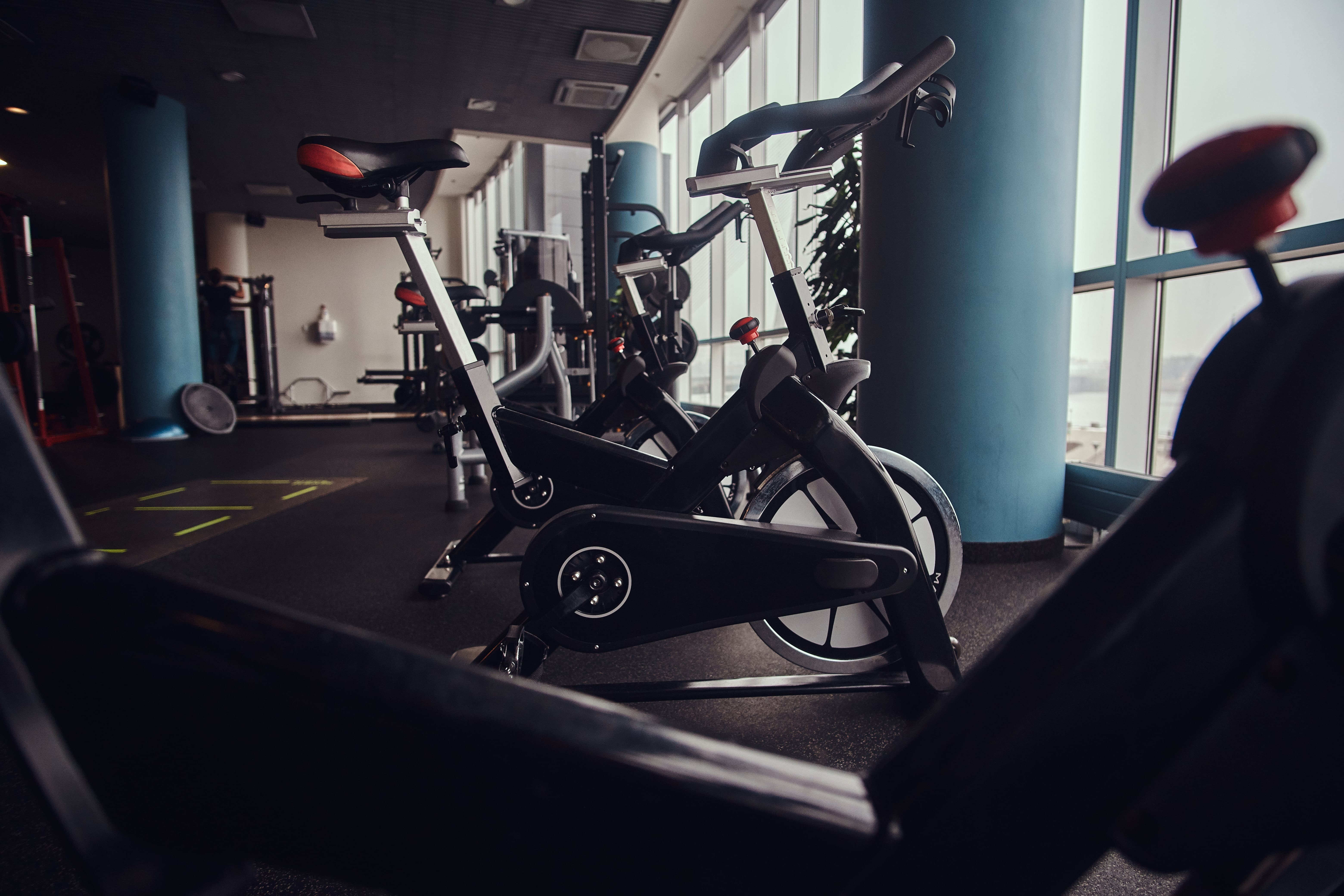 The Ultimate Guide to the Home Exercise Bike: Pedaling Your Way to Better HealthOver the last few years, the physical fitness landscape has actually moved considerably. With hectic schedules, unpredictable weather condition, and the increasing costs of store physical fitness studios, more people are investing in their health from the convenience of their own living-room. Among the most popular pieces of home fitness devices is the humble, yet flexible, home exercise bike. Whether one is aiming to reduce weight, build cardiovascular endurance, or just preserve an active way of life while watching television, a stationary bike offers a low-impact, high-reward service. This detailed guide checks out whatever one needs to learn about choosing, utilizing, and taking full advantage of workouts on a Home exercise bikes stationary bicycle.Why Choose a Home Exercise Bike?Purchasing fitness devices is a big decision. Compared to pounding the pavement or striking the regional fitness center, a home stationary bikes exercise bikes bicycle supplies several unique benefits:
- Low-Impact Movement: Running and jumping can be severe on the joints– specifically the knees and ankles. Biking is a smooth, circular movement that cushions joints while still providing an extreme cardio exercise.
- All-Weather Reliability: Rain, snow, or scorching heat can quickly hinder an outside running regimen. An indoor bike makes sure that weather is never an excuse to skip a workout.
- Convenience and Time-Saving: Commuting to the health club takes some time. Having a bike in the bedroom or office eliminates travel time, making it much easier to squeeze in a 20-minute session in between meetings.
- Multi-Tasking Friendly: Unlike high-concentration exercises, riding a stationary bicycle exercise bicycle frequently allows people to read a book, catch up on a preferred tv show, or listen to a podcast while working out.
Kinds Of Home Exercise BikesNot all stationary bicycle are developed equivalent. Different styles cater to various physical fitness objectives, physique, and space restraints. Understanding the main categories is the initial step towards making an informed purchase.1. Upright BikesUpright bikes closely simulate traditional outside bicycles. The rider beings in an upright position, engaging the core and upper body to stabilize themselves.
- Best for: General physical fitness, endurance training, and users who desire a conventional biking feel.
- Pros: Compact footprint, engages core muscles, highly flexible.
- Cons: Can trigger lower back or seat discomfort during long sessions.
2. Recumbent BikesRecumbent bikes include a larger, bucket-style seat with a backrest. The pedals are placed out in front of the rider rather than straight beneath them.
- Best for: Individuals with lower back discomfort, seniors, or those recovering from injuries.
- Pros: Exceptional lumbar assistance, very comfy, really steady.
- Cons: Takes up more floor space; usually uses a less extreme upper-body engagement.
3. Indoor Studio Cycles (Spin Bikes)These are the sturdy bikes promoted by store cycling classes. They feature heavy flywheel resistance systems and handlebars designed for different riding positions (sitting, standing, climbing).
- Best for: High-intensity interval training (HIIT), major cyclists, and immersive digital classes.
- Pros: Highly resilient, mimics outside roadway cycling, permits out-of-the-saddle climbing.
- Cons: Seats can be uneasy initially; usually needs biking shoes with cleats for ideal efficiency.
Comparing the Options: At a GlanceTo help imagine the differences between the 3 main types of home stationary bicycle, consider the following comparison:FeatureUpright BikeRecumbent BikeStudio mini cycle exercise bike (Spin)Primary FocusGeneral cardio & & toning Convenience & rehab High-intensity & workouts Back SupportNone Complete back-rest None FootprintLittle Large Medium to Small Intensity Level Moderate to High Lowto Moderate High to Very High Joint Friendliness GoodExcellentGood Key Features to Look For When shopping fora home stationary bicycle, several technical specifications and functions call for mindful factor to consider: Resistance Mechanism: Bikes normally use friction resistance(pads pressing against a flywheel) or magnetic resistance. Magnetic resistance is usually quieter, smoother, andneeds essentially no upkeep. Flywheel Weight: For studio cycles,a heavier flywheel(normally30 to 40+pounds )offers a smoother, more momentum-driven pedal stroke. Console and Connectivity: Modern bikes frequently include LCD screens or touch tablets. Some sync with physical fitness apps (like Peloton, Zwift, or Apple Fitness+)through Bluetooth to track metrics such as RPM, heart rate, wattage, and calories burned. Adjustability: An appropriate fit is important to prevent injury. Search for a bike with a totally adjustable seat(both vertical and horizontal )and adjustable handlebars. Tips for Maximizing Your Workouts Merely resting on a home stationary bicycle is insufficient; proper kind
Think of pressing down and pulling up on thepedals to engage both the quadriceps and hamstrings. Incorporate Variety To prevent boredom and plateaus, mix up weekly routines: Steady-StateRides: Maintain a moderate,
- consistent speed for 30 to 45 minutes to build aerobic endurance. Interval Training(HIIT ): Alternate in between 30 seconds of all-out sprinting
- and 90 seconds of active healing. This enhances metabolism and burns calories long after the workout ends. Hill Climbs: Increase the resistance significantly and pedal at a slower, much heavier RPM to build lower-body strength. Safety and Maintenance While indoor biking is remarkably safe, a few basic practices guarantee longevity for both the devices and the rider: Stay Hydrated:Keep a water bottle in thebike’s integrated cage. Indoor cycling causes considerable sweating, even in air-conditioned rooms. Clean Down the Bike: Sweat is destructive. Clean the frame, handlebars, and seat with a microfiber cloth and a mild
- disinfectant after every session. Inspect Bolt Tightness: Every few weeks, inspect the pedals, handlebars, and seat posts to make sure no bolts have shaken loose from routine usage. A home stationary bicycle is more than simply a piece of metal and plastic– it is an investment in long-term health, mental clearness, and physical vigor. By choosing the ideal model for particular needs, keeping correct riding kind, and keeping exercisesengaging, anybody can transform their living-room into a powerhouse of wellness. Whether pedaling away the tension
- of a long workday or going after an individual fitness record, the journey to a much healthier lifestyle is simply a pedal stroke away.
- of a long workday or going after an individual fitness record, the journey to a much healthier lifestyle is simply a pedal stroke away.