
 Iesha Surratt gevraagd, 2 weken geleden
The Ultimate Guide to Home Exercise Bikes: Pedaling Toward Better HealthRecently, home physical fitness devices has actually gone through a huge evolution. Among the myriad of options available, home exercise bikes remain an ageless favorite. Whether somebody is wanting to shed a few pounds, train for a marathon, or merely preserve cardiovascular health while seeing tv, a fixed bike provides a versatile and reliable option. With a lot of models, resistance types, and technological features on the marketplace, picking the ideal bike can feel frustrating. This extensive guide checks out whatever one needs to understand about home stationary bicycle exercise bicycle to make an informed buying decision.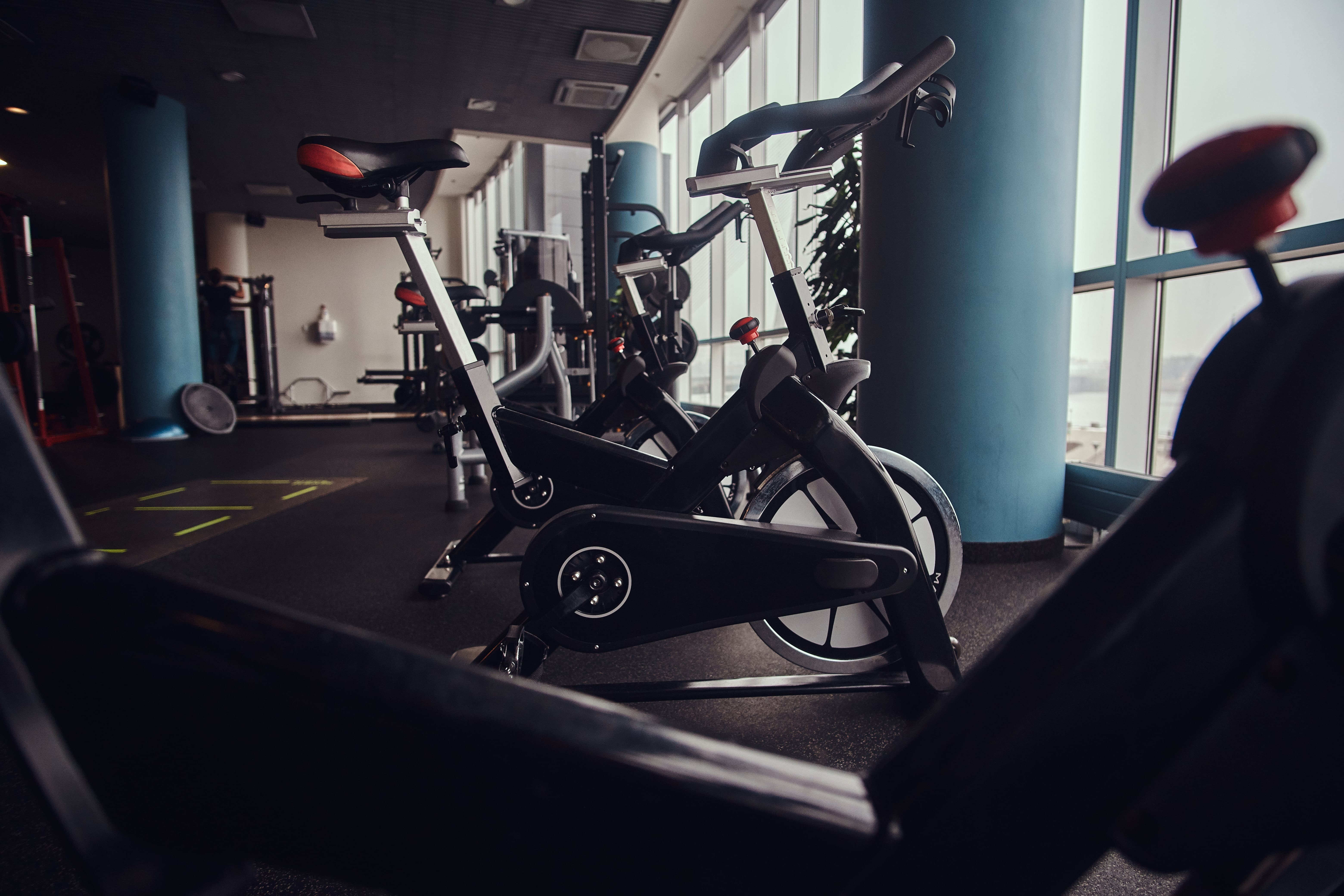 Why Choose a Home Exercise Bike?Investing in a home exercise machine bike features a wide variety of health and way of life advantages. Unlike running, which places high effect tension on the knees and ankles, biking is a low-impact exercise that is mild on the joints while still offering an energetic cardiovascular workout.Here are some primary benefits of including a stationary bicycle exercise bicycle into a home routine:
- Cardiovascular Health: Regular cycling reinforces the heart, lowers blood pressure, and improves overall endurance.
- Lower Body Strength: It targets significant muscle groups consisting of the quadriceps, hamstrings, glutes, and calves.
- Benefit and Time-Saving: Commuting to the fitness center is no longer a barrier; an exercise is constantly just actions away, rain or shine.
- Weather Independence: Outdoor cycling can be derailed by rain, snow, or extreme heat. An indoor bike warranties 365 days of trip time.
- Personalized Intensity: Riders can easily change resistance to match their current physical fitness level, from a casual spin to a grueling hill climb.
Types of Exercise BikesBefore diving into specific functions, it is essential to comprehend the three main categories of home exercise bikes. Each caters to various body types, physical fitness objectives, and space restraints.1. Upright BikesUpright bikes exercise for sale closely imitate the feel of a conventional outside road bicycle. The rider beings in an upright position, engaging the core and upper body muscles somewhat more than other designs.
- Best for: General fitness, high-intensity period training (HIIT), and simulated road cycling.
- Pros: Compact footprint, flexible workout positions, engages core muscles.
- Cons: Can trigger neck or lower back strain throughout long sessions for some users.
2. Recumbent BikesRecumbent bikes feature a larger, bucket-style seat with a backrest, placed behind the pedals instead of straight above them. This style provides exceptional lumbar support.
- best stationary bikes for exercise for: Beginners, elders, individuals with neck and back pain, and longer, endurance-focused exercises.
- Pros: Extremely comfy, excellent back support, really safe and steady.
- Cons: Takes up more floor space, generally offers a less intense upper-body/core exercise.
3. Indoor Cycling Bikes (Spin Bikes)Spin bikes are constructed for high-performance riding. They feature heavy flywheels and enable the rider to stand up out of the saddle to simulate hill climbs up and runs.
- Best for: Advanced bicyclists, spin class enthusiasts, and those looking for intense, calorie-torching exercises.
- Pros: Highly durable, robust resistance systems, exceptional for vigorous training.
- Cons: Can be hard on the sit bones initially; frequently lacks pre-programmed digital exercises without a membership app.
Comparing the Options: At a GlanceTo assist picture the distinctions between the 3 primary kinds of home Exercise Equipment best exercise bikes, consider the following comparison:FeatureUpright BikeRecumbent BikeIndoor Cycling (Spin) BikeSeat DesignTraditional bicycle saddleLarge seat with backrestPerformance-oriented saddleBody PositionUpright, minor forward leanReclined, supported backForward lean, resembles roadway bikeJoint ImpactLowExtremely LowLowArea RequiredCompactModerate to LargeCompact to ModerateTarget AudienceGeneral fitness enthusiastsNovices, rehab, back-pain sufferersSerious cyclists, spin class fansSecret Features to Consider Before BuyingWhen looking for a home exercise bike, looking beyond the trademark name is vital. Evaluating particular mechanical and technological parts guarantees the equipment satisfies long-term requirements.Resistance MechanismsThe resistance system determines how smooth and peaceful the trip will feel.
- Friction Resistance: Uses felt pads that press against the flywheel. It is inexpensive and offers boundless resistance levels, but the pads eventually wear out and need replacement.
- Magnetic Resistance: Uses magnets and a flywheel to develop smooth, silent resistance. It requires essentially no maintenance and supplies a really consistent feel. This is the gold standard for contemporary home bikes.
Flywheel WeightFor spin bikes, the flywheel weight dictates momentum. A heavier flywheel (generally 30 to 40 pounds) typically supplies a smoother, more realistic road-like momentum. Lighter flywheels can still use excellent resistance if matched with a strong magnetic system.Console and TechnologyModern exercise bikes vary from fundamental designs with easy LCD screens tracking time, speed, and calories, to smart bikes equipped with huge HD touchscreens. Smart bikes integrate with fitness apps (like Peloton, Zwift, or iFit) to offer live and on-demand classes, virtual picturesque trips, and automated resistance modifications.Tips for Maximizing Your Home Cycling WorkoutAcquiring a bike is just the primary step. To get the most out of every session, riders need to keep the following suggestions in mind:
- Prioritize Proper Setup: Adjust the seat height so there is a small bend in the knee at the bottom of the pedal stroke. Incorrect bike fitting can lead to knee discomfort or lower back pressure.
- Integrate Variety: Mix steady-state endurance trips with high-intensity interval training (HIIT) to prevent monotony and continually challenge the cardiovascular system.
- Stay Hydrated: Indoor cycling triggers heavy perspiration. Keep a water bottle within arm’s reach and a sweat towel close by.
- Invest in Accessories: While not strictly necessary, cycling shoes with cleats (for clip-in pedals), a cushioned seat cover, and an entertainment tablet holder can considerably improve convenience and pleasure.
A home stationary bicycle is a great financial investment in personal health and well-being. Whether going with the soothing support of a recumbent bike, the adaptability of an upright model, or the heart-pumping strength of an indoor cycle, there is a maker out there for each body and budget plan. By understanding the options and examining personal fitness objectives, anyone can transform an extra corner of their home into an individual biking studio.