
 Kristopher Gerken gevraagd, 11 uur geleden
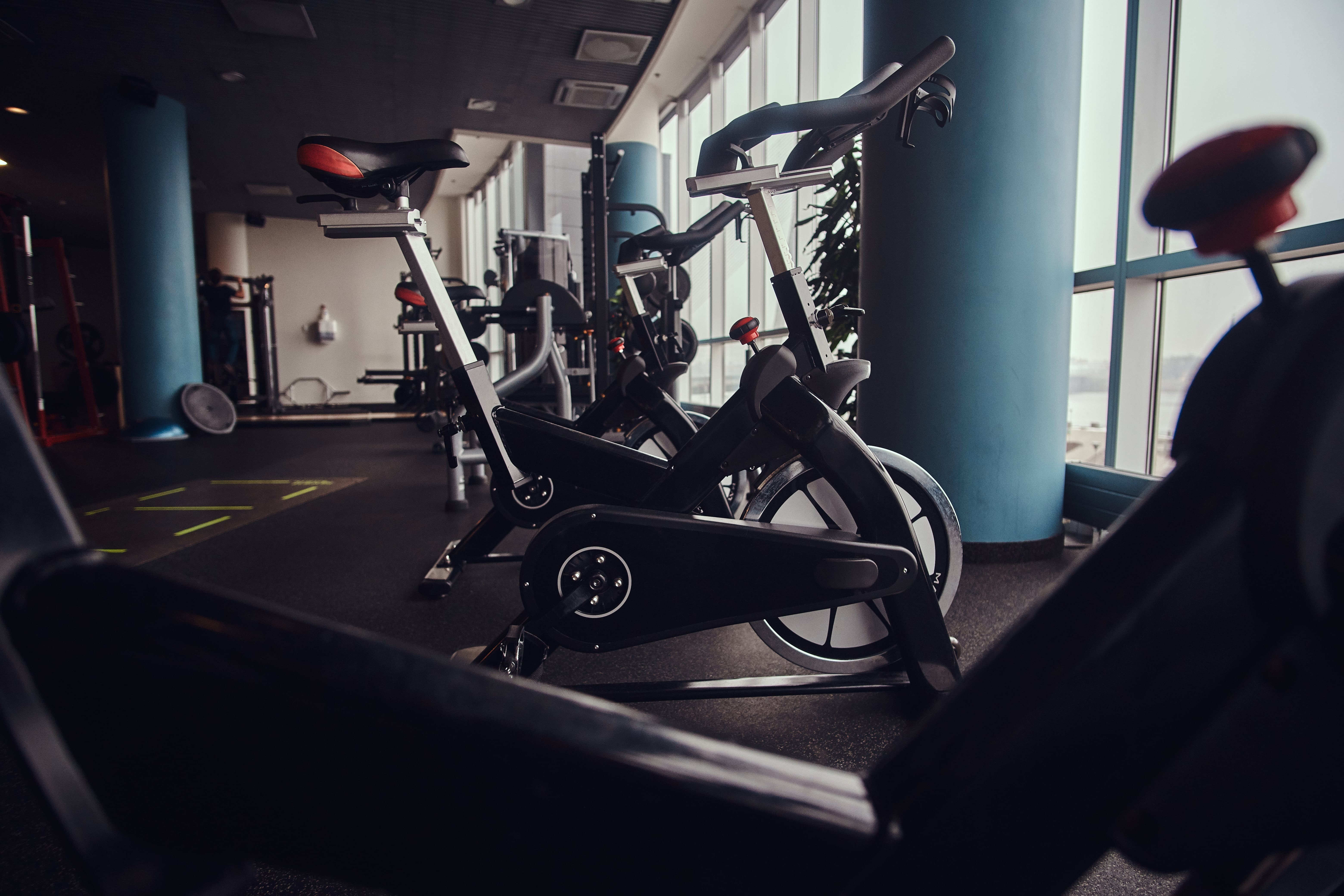 The Ultimate Guide to Exercise Bikes: Pedaling Toward Your Fitness GoalsIn a period where benefit often dictates lifestyle options, discovering trustworthy ways to remain active in the house has become a top concern for many physical fitness lovers. Among the myriad of home health club devices available, the leg exercise machine bike home exercise stays a classic staple. Whether the objective is weight reduction, cardiovascular endurance, or rehabilitation, the indoor cycling maker uses a versatile, low-impact solution for users of all fitness levels. Comprehending the nuances of various designs, their benefits, and how to choose the ideal one can make the difference in between a dust-collecting coat rack and a prized piece of everyday fitness devices.Why Choose an Exercise Bike?Indoor cycling has risen in popularity, and for great reason. Unlike running or high-impact aerobics, biking places minimal stress on the joints, making it an exceptional option for individuals of all ages, including those recuperating from injuries. Key Benefits of Indoor Cycling:
- Cardiovascular Health: Regular biking strengthens the heart and lungs, improves blood circulation, and decreases resting heart rate.
- Low-Impact Movement: The fluid motion of pedaling safeguards the knees, hips, and ankles from the disconcerting effect related to treadmills or pavement running.
- Calorific Burn: Depending on intensity and body weight, a vigorous biking session can burn anywhere from 400 to 600 calories per hour.
- Muscle Tone: Cycling mainly targets the lower body– engaging the quadriceps, hamstrings, glutes, and calves– while also hiring the core for stabilization.
- All-Weather Convenience: Rain, snow, or severe heat will never interrupt a scheduled workout when the gym is just a couple of actions away in the living space.
Types of Exercise BikesBefore getting, one need to comprehend that not all exercise bikes are developed the same. They generally fall into three main classifications, each designed to accommodate various biomechanics and user preferences.1. Upright BikesThe upright bike closely mimics the feel of a conventional outdoor road bike. The user sits upright, and the pedals are placed straight below the body.
- Best For: General physical fitness, high-intensity period training (HIIT), and conventional cycling exercises.
- Pros: Compact footprint, engages core muscles more due to the upright posture, and frequently simulates a natural cycling feel.
- Cons: Can trigger lower back or neck pressure during longer sessions for newbies.
2. Recumbent BikesRecumbent bikes include a larger, bucket-style seat geared up with a backrest. The pedals are placed out in front of the user rather than beneath.
- Best For: Seniors, people with neck and back pain, and those seeking comfortable, prolonged cardio sessions.
- Pros: Exceptional back support, extremely comfy, and lowers upper-body stress.
- Cons: Takes up more floor space and generally uses a less extreme upper-body/core exercise.
3. Indoor Studio Cycles (Spin Bikes)Studio cycles are created to duplicate outdoor racing bikes. They include heavy flywheel systems, direct-resistance knobs, and handlebars that permit the rider to stand and pedal out of the saddle.
- Best For: Advanced cyclists, group physical fitness lovers, and those trying to find intense, sweat-inducing workouts.
- Pros: Highly durable, allows for out-of-the-saddle climbing simulations, and sets exceptionally well with virtual biking classes.
- Cons: The racing saddle can be unpleasant at first, and the absence of automated resistance on spending plan designs requires manual modifications.
Comparing the Options: At-a-GlanceTo help visualize the distinctions in between the three primary kinds of stationary bicycle, recommendation the comparison table below:FeatureUpright BikeRecumbent BikeStudio Cycle (Spin Bike)Primary FocusGeneral cardio & & muscle toningComfort, rehab, & & back assistanceHigh-intensity training & & racing simulationSeating PostureUpright, somewhat leaned forwardReclined with complete back assistanceForward-leaning, aggressive racing postureArea RequirementSmall/ CompactBig/ ModerateLittle to ModerateJoint ImpactExtremely LowVery LowLowStanding CapabilityRare/ Not advisedNoYes (Out-of-saddle riding)Ideal UserGeneral physical fitness loversBeginners, seniors, back-pain patientsSevere bicyclists, HIIT fansKey Features to Look For When BuyingChoosing the ideal exercise bike involves assessing several vital mechanical and technological specs. Resistance Mechanisms
- Friction Resistance: Uses felt pads that press versus the flywheel. It is typical in spending plan spin bikes, highly adjustable, but needs periodic pad replacement.
- Magnetic Resistance: Uses magnets and a metal flywheel. It is essentially silent, incredibly smooth, requires no maintenance, and allows for precise digital resistance modifications.
Flywheel WeightFor studio cycles, a heavier flywheel (normally in between 30 to 40 pounds) provides a smoother, more momentum-driven pedal stroke that closely resembles riding outdoors. Lighter flywheels are typical on upright and recumbent bikes because they rely on magnetic resistance rather than raw momentum.AdjustabilityAn ill-fitting bike can result in knee discomfort, feeling numb, and bad leg exercise machine efficiency. Guarantee the bike features:
- Vertical and horizontal seat change (so the knee lines up effectively over the pedal axle).
- Handlebar adjustment (height and reach).
- Protected pedal straps or toe cages (clipless pedal Exerciser compatibility is a benefit for passionate bicyclists).
Console and ConnectivityModern exercise bikes are rapidly evolving into entertainment and training centers. When shopping, think about:
- Basic LCD screens: great exercise bikes for tracking time, speed, range, and calories without a regular monthly subscription fee.
- Smart HD Touchscreens: Allow users to stream live and on-demand classes (such as Peloton, Zwift, or iFit), though they normally need an ongoing membership.
Tips for Maximizing Your WorkoutOwning a stationary bicycle is only half the battle; utilizing it efficiently ensures long-term success.
- Preserve Proper Form: Keep your shoulders relaxed, avoid locking your elbows, and make sure there is a small bend in your knee at the bottom of the pedal stroke.
- Incorporate Interval Training: Alternate in between high-resistance sprints and low-resistance recovery durations to boost calorie burn and cardiovascular endurance.
- Stay Hydrated and Cool: Indoor cycling triggers extreme sweating due to the absence of natural air flow. Keep a water bottle helpful and think about putting a fan in front of the bike.
- Establish a Routine: Consistency trumps strength. Go for 3 to four sessions each week, gradually increasing period and resistance as physical fitness improves.
Last ThoughtsThe stationary bicycle remains a gold standard in home fitness for a factor: it delivers results. By understanding the distinctions in between upright, recumbent, and studio models, and by thoroughly assessing features like resistance and adjustability, anyone can discover a device that fits their body, space, and budget. Whether pedaling casually while watching the night news or pushing through a difficult virtual mountain climb, investing in a stationary bicycle is an investment in long-lasting health, vitality, and wellness.